
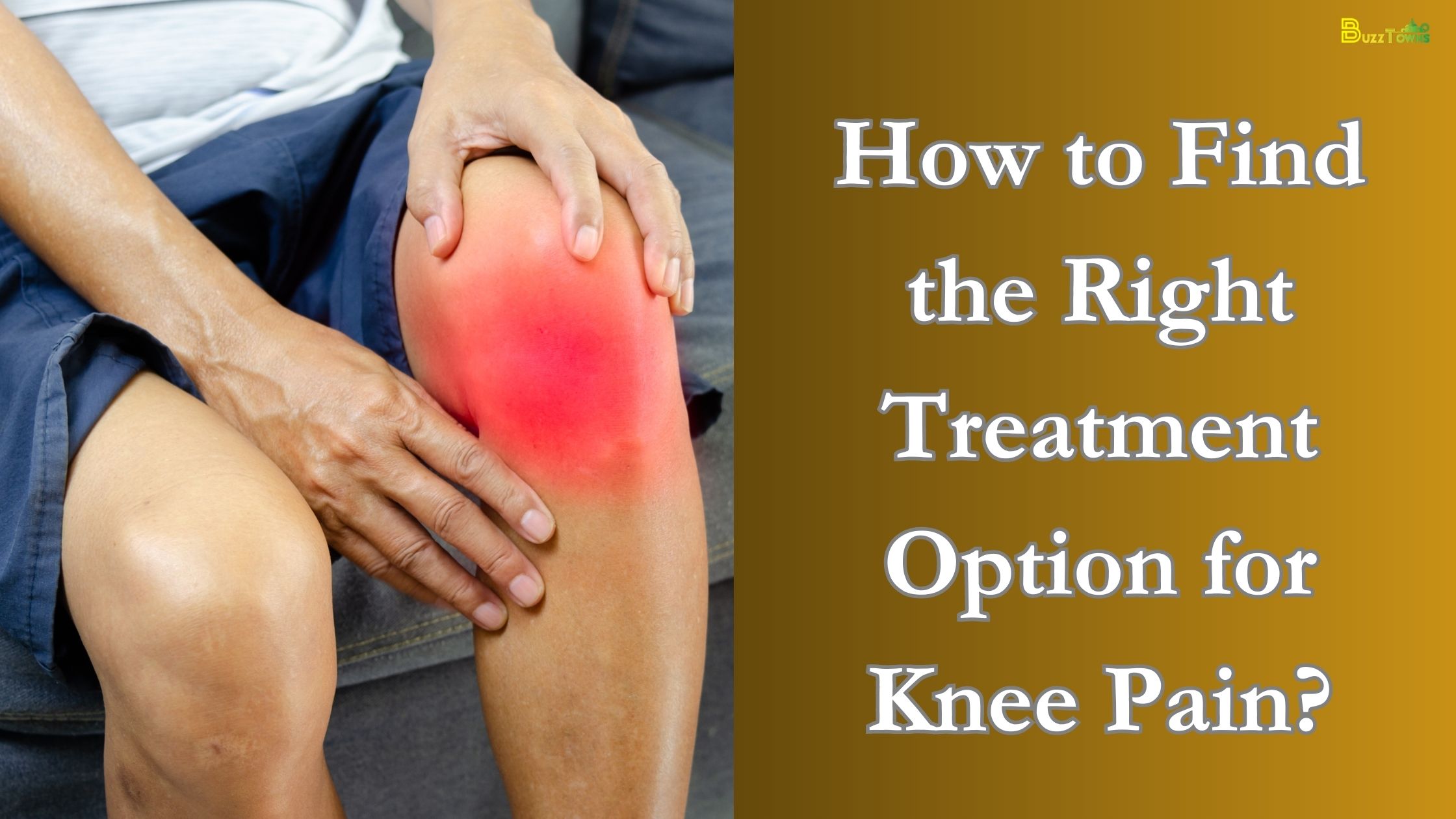
Knee pain is a disorder that affects millions of people worldwide and may be a severe condition for some. Finding the correct treatment option is vital for obtaining pain relief and improving one’s quality of life, regardless of whether the pain results from an injury, arthritis, or any other underlying ailment. This article will investigate six viable approaches to locating the most appropriate therapy option and Treatment Option for Knee Pain.
Discuss Your Symptoms With A Trained Medical Professional
The first thing you can do while searching for the appropriate treatment choice is to discuss your condition with a trained medical professional, such as a general practitioner, orthopedic specialist, or rheumatologist.
These medical experts have the knowledge and experience necessary to accurately diagnose the underlying cause of your knee discomfort and make recommendations regarding appropriate treatment methods. Medical professionals can determine the source of your knee pain by running the appropriate tests, analyzing your symptoms, and reviewing your medical history.
This allows them to determine whether your knee pain results from a specific injury, osteoarthritis, rheumatoid arthritis, or another ailment. After that, they will be able to direct you toward suitable treatment alternatives that are specifically adapted to your circumstances for knee pain relief. Finding the best knee pain therapy has several advantages, including lessening pain and discomfort, increasing mobility and functionality, improving quality of life, preventing additional injury, reducing dependency on medicine, and hastening recovery and rehabilitation.
To get the best outcomes, it is crucial to seek the advice of medical experts, research different treatments, and take an active role in your own care. It is essential to remember that engaging in self-diagnosis and self-medication can result in inappropriate treatment decisions and the possibility of experiencing injury.
Investigate Treatment Options That Do Not Involve Surgery
Knee pain is often treated with non-surgical methods before resorting to surgical procedures. Several non-surgical treatments are available that successfully reduce knee pain and improve knee function.
These alternatives are less intrusive, require less time for recovery, and could be a choice for people who desire to avoid or delay surgical operations. The use of physical therapy is an important component in the management of knee pain. A competent physical therapist can devise a specialized exercise program for the patient that will help build strength in the muscles surrounding the knee joint, improve flexibility, and increase general mobility.
In addition, they might use treatments such as manual therapy, ultrasound, or electrical stimulation to alleviate the patient’s pain and speed up their recovery. When it comes to the overall management of knee pain, medication can sometimes play a significant role. Ibuprofen and other over-the-counter nonsteroidal anti-inflammatory drugs (NSAIDs) can be helpful in reducing pain and inflammation. In more severe situations, your healthcare practitioner may offer prescription treatments like corticosteroids and hyaluronic acid injections.
These medications are available only with a doctor’s prescription. These injections can provide targeted pain relief and put off the necessity for surgery for some time. Canes, crutches, and knee braces are assistive devices that give stability and support, minimizing the stress on the knee joint. These gadgets can be especially beneficial during activities that aggravate knee pain, enabling you to remain active while at the same time lowering the amount of discomfort you experience.
Think About Surgical Options
To address the underlying cause of knee discomfort and restore joint function, surgery may occasionally be required. Surgery is frequently saved for people with severe joint injuries or those who have not found enough pain management through non-surgical means. The minimally invasive surgical treatment known as arthroscopy enables orthopedic surgeons to diagnose and treat various knee ailments.
This allows the surgeon to determine the degree of the injury and make the necessary treatments, such as removing loose cartilage or mending damaged ligaments. In severe situations of knee discomfort and joint deterioration, knee replacement surgery is often considered the most effective therapeutic option. During this treatment, the injured knee joint parts are removed, and their places are filled with artificial implants. Surgery on the knee can greatly increase mobility and reduce chronic pain, allowing patients to resume their normal activities more easily.
Alternative Therapies
Alternative therapies can be used with established medical procedures and offer additional pain relief for knee discomfort. Many people have discovered that these therapies help treat their symptoms, even if substantial scientific data do not always support them. Acupuncture promotes pain alleviation and the body’s natural healing processes. A feasible option to consider is acupuncture, which some studies have indicated may be useful in lowering knee discomfort and enhancing function.
Turmeric and ginger are two herbal medicines that have demonstrated potential for decreasing inflammation and relieving joint pain. Before using herbal supplements in your treatment plan, you must speak with your doctor because they may interfere with other prescriptions or cause negative effects.
Yoga, tai chi, and meditation are examples of mind-body practices that can help manage knee discomfort by encouraging relaxation, increasing flexibility, and lowering stress. These techniques emphasize the relationship between the mind and body and may improve general well-being while easing knee discomfort.
Change Your Way Of Life
Changing your way of life can help you manage knee discomfort and stop additional injuries. You can improve your general quality of life and the efficacy of other treatment options by forming healthy habits and making specific changes.
The knee joints are put under more strain when a person is overweight, which exacerbates pain and could hasten joint degeneration. You can ease stiffness and lower the strain on your knees by keeping a healthy weight. You can reduce the symptoms of knee pain by maintaining a healthy weight eating a balanced diet and engaging in regular exercise.
Even while it’s crucial to stay active, doing high-impact things like running or leaping may worsen knee discomfort. Instead, concentrate on joint-friendly, low-impact exercises like swimming, cycling, or utilizing an elliptical machine.
These exercises can build up the supporting muscles without putting too much stress on the knees. Using good body mechanics is crucial to avoid putting undue strain on your knees. Use your leg muscles to move large objects and avoid putting too much strain on your knees during repetitive motions.
Seek Out Help And Educate Yourself
Managing daily life while dealing with knee pain can be physically and mentally difficult. Seeking the assistance of people going through circumstances like yours can provide helpful insights and emotional reinforcement. You can connect with people who understand your issues and offer advice and empathy by joining support groups or participating in Internet forums.
This can help you. In addition, arming yourself with knowledge about knee pain, the factors that contribute to it, and the possible treatments for it can provide you the ability to make well-informed decisions about your medical care. To get a more in-depth awareness of your disease as well as the potential courses of therapy, you can make an effort to conduct research from reliable sources, speak with medical professionals, and ask questions.
Conclusion
Finding the appropriate treatment for knee pain is essential to lessen the associated agony and boost your overall quality of life. Because each person’s circumstances differ, the treatment program you choose can be adapted to meet your particular requirements. You can reclaim control over your knee pain if you take the appropriate strategy and locate the treatment option most suited to your needs.