
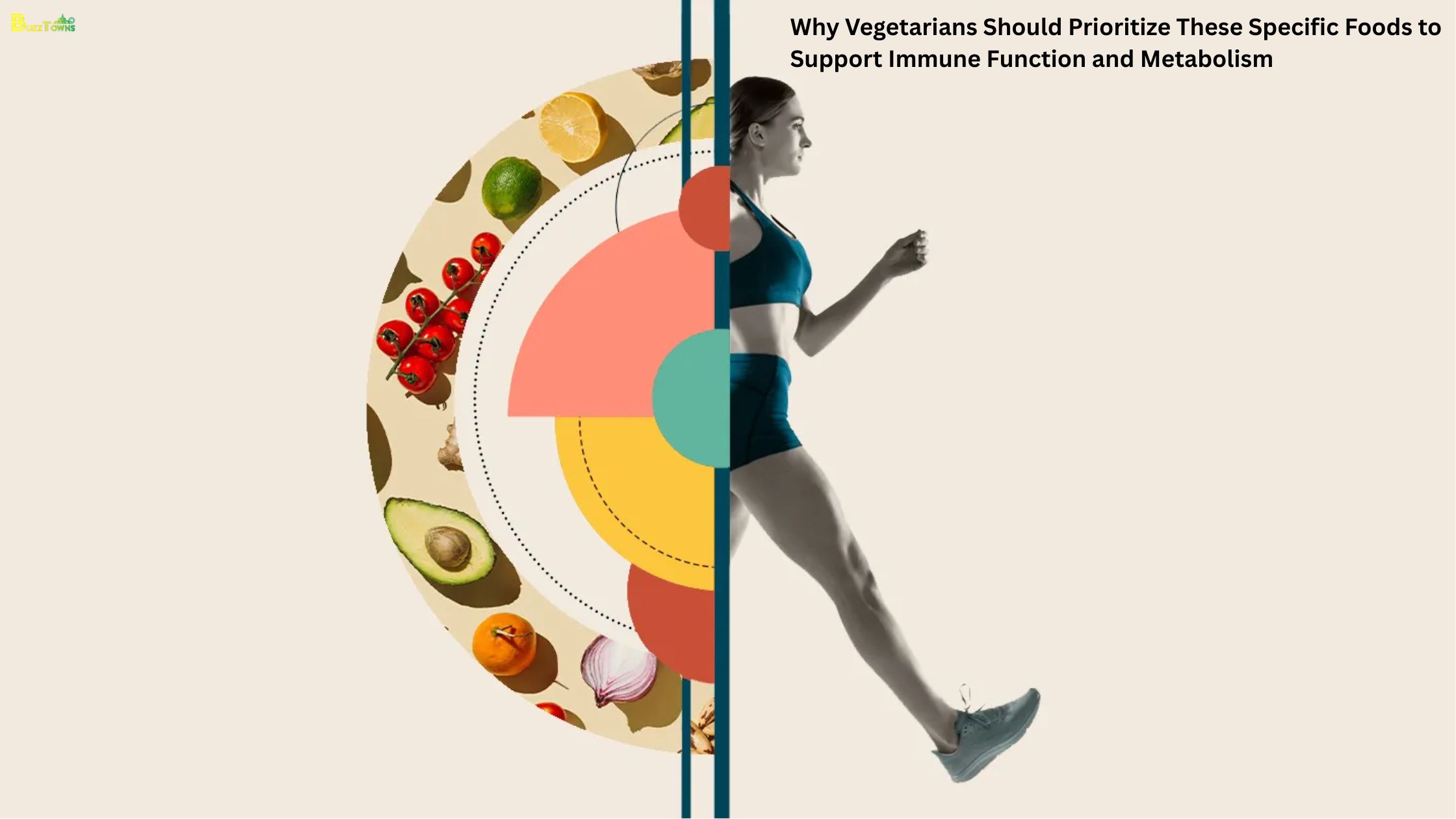
Switching to a plant-based diet comes with fantastic health perks—from better heart health to lower risks of chronic illness. But if you’re relying mostly on plants for your daily fuel, keeping your energy high and your body’s defense systems strong requires a bit of intention. Two critical engines power your day-to-day well-being: immune function and metabolism. Your immune system acts as your personal security team, fending off seasonal bugs and keeping inflammation in check. Meanwhile, your metabolism is the engine room, converting what you eat into usable energy, balancing hormones, and repairing cells.
Because these two systems work hand in hand, a dip in one often drags down the other. For vegetarians, ensuring you get enough specific, highly bioavailable nutrients is the key to keeping both running at peak performance. Here is a deep dive into why these systems are linked and the essential plant foods you should prioritize to keep them thriving.
The Undeniable Link Between Immune Function and Metabolism
It is easy to think of immune health and metabolic speed as two entirely separate body functions, but immunometabolism—the study of how metabolic processes affect immune response—shows they are deeply interconnected.
+——————————————————————-+
| THE VITAL LINK |
| |
| Metabolic Energy (ATP) ======> Powers White Blood Cells |
| Healthy Gut Microbiome ======> Trains 70-80% of Immune Cells |
| Balanced Blood Sugar ======> Prevents Systemic Inflammation |
+——————————————————————-+
- Immune cells are energy hogs: Fighting off a pathogen requires a massive amount of metabolic energy. If your metabolism is sluggish or lacking vital cofactors, your white blood cells can’t react quickly enough to incoming threats.
- Gut health drives both systems: Around 70% to 80% of your immune cells reside in your gut. Coincidentally, your gut microbiome plays a central role in metabolic regulation, processing short-chain fatty acids (SCFAs) that control insulin sensitivity and satiety.
- Blood sugar balance stops runaway inflammation: Spikes and crashes in blood glucose stress the body, leading to chronic low-grade inflammation. This distracts the immune system and forces the metabolism to store fat rather than burn energy efficiently.
6 Powerhouse Foods Every Vegetarian Needs
To keep these systems synchronized, your plate needs foods that pack a dense concentration of vitamins, minerals, and plant compounds.
1. Pumpkin Seeds & Hemp Seeds (Zinc & Iron Powerhouses)
Zinc is crucial for white blood cell development, while iron ensures oxygen reaches your tissue so your cells can produce metabolic energy (ATP). Plant-based (non-heme) iron and zinc are harder for the body to absorb due to natural phytates in seeds and grains, making high-density sources non-negotiable.
- Why they work: A single handful of pumpkin seeds provides over 15% of your daily zinc needs and a rich dose of magnesium, which supports over 300 metabolic reactions.
- Pro tip: Pair seed bowls with a splash of lemon juice or fresh bell peppers—vitamin C significantly boosts plant iron absorption.
2. Fermented Foods (Kimchi, Sauerkraut, Tempeh & Kefir)
A healthy gut microbiome is the foundation of strong immune function and metabolism. Probiotics introduce beneficial bacteria that break down fiber into short-chain fatty acids like butyrate, which directly improves insulin sensitivity and strengthens the gut barrier.
- Why they work: Unpasteurized fermented foods deliver live active cultures that train immune cells to distinguish between real threats and harmless environmental triggers.
- Pro tip: Choose raw, refrigerated sauerkraut or kimchi rather than shelf-stable varieties, which have been heat-treated, killing the live bacteria.
| Nutrient | Primary Role in Immune Function and Metabolism | Key Vegetarian Source |
| Zinc | White blood cell production & thyroid hormone synthesis | Pumpkin seeds, lentils, cashews |
| Vitamin C | Antioxidant protection & enhanced iron absorption | Bell peppers, citrus, broccoli |
| Probiotics | Gut barrier integrity & SCFA metabolic signaling | Kimchi, tempeh, plant kefir |
| Iron (Non-Heme) | Cellular oxygen transport & metabolic energy conversion | Spinach, legumes, dark chocolate |
| Selenium | Thyroid metabolic control & immune cell activation | Brazil nuts, sunflower seeds |
3. Red Bell Peppers (Vitamin C Concentration)
While citrus fruits usually get all the glory for immune support, red bell peppers actually contain nearly twice as much Vitamin C per serving as an orange.
- Why they work: Vitamin C stimulates the production and function of white blood cells while protecting metabolic tissues from oxidative stress caused by free radicals.
- Pro tip: Eat them raw or lightly sautéed. High heat degrades Vitamin C, so crisp slices in salads or dipped in hummus give you the maximum dose.
4. Brazil Nuts (The Thyroid & Selenium Key)
Your thyroid gland is the master controller of your basal metabolic rate. To produce and convert thyroid hormones efficiently, it relies heavily on selenium—a mineral that double-hats as a potent antioxidant protecting immune cells from damage.
- Why they work: Brazil nuts are the single most concentrated dietary source of selenium on Earth. Eating just 1 to 2 Brazil nuts per day easily meets 100% of your daily requirement.
- Pro tip: Treat Brazil nuts like a supplement rather than a snack—eating too many regularly can actually lead to selenium toxicity.
5. Legumes & Lentils (Complex Fiber & Plant Protein)
Lentils, chickpeas, and black beans provide the slow-burning complex carbohydrates necessary to keep blood sugar stable. Protein is essential for repairing tissue and synthesizing antibodies, making legumes a core requirement for plant-based diets.
- Why they work: The high soluble fiber content acts as a prebiotic, feeding good gut bacteria while preventing glucose spikes that drag down metabolic efficiency.
- Pro tip: Soaking dried beans overnight before cooking reduces antinutrients like phytates, making the nutrients much easier for your digestive system to absorb.
6. Garlic & Onions (Organosulfur Compounds)
Garlic and onions do far more than add depth to your cooking. They are rich in organosulfur compounds like allicin, which exhibit natural antibacterial and antiviral properties while supporting liver detoxification pathways.
- Why they work: Allicin enhances immune defense by activating natural killer cells and boosting macrophage function, while helping regulate blood lipid levels to support healthy metabolic function.
- Pro tip: Crush or chop garlic and let it sit on the cutting board for 10 minutes before heating. This brief rest activates the enzymes that create allicin.
Daily Action Plan for Optimal Nutrient Bioavailability
Knowing what to eat is only half the battle—how you eat it determines how much your body actually absorbs.
- Soak, Sprout, and Ferment: Soaking grains, nuts, and legumes breaks down phytic acid, dramatically increasing the absorption rate of critical minerals like zinc, iron, and magnesium.
- Combine Smartly: Always pair non-heme iron sources (like spinach, lentils, or seeds) with Vitamin C (lemon, tomatoes, or berries) to turn hard-to-absorb minerals into highly usable forms.
- Don’t Fear Healthy Fats: Vitamins A, D, E, and K are fat-soluble. Always toss leafy greens with a splash of extra virgin olive oil, avocado, or crushed nuts to ensure your body can absorb them.
- Mind the Coffee/Tea Window: Polyphenols and tannins in coffee and tea can inhibit iron and zinc absorption by up to 60%. Enjoy your warm brew at least 45 to 60 minutes before or after your main meals.
The Takeaway: Building resilient health on a vegetarian diet isn’t about restrictive counting—it’s about intentional variety. By prioritizing nutrient-dense whole foods like seeds, fermented vegetables, red peppers, and legumes, you give your body the exact biochemical tools it needs to keep your immune function and metabolism firing on all cylinders every day.