
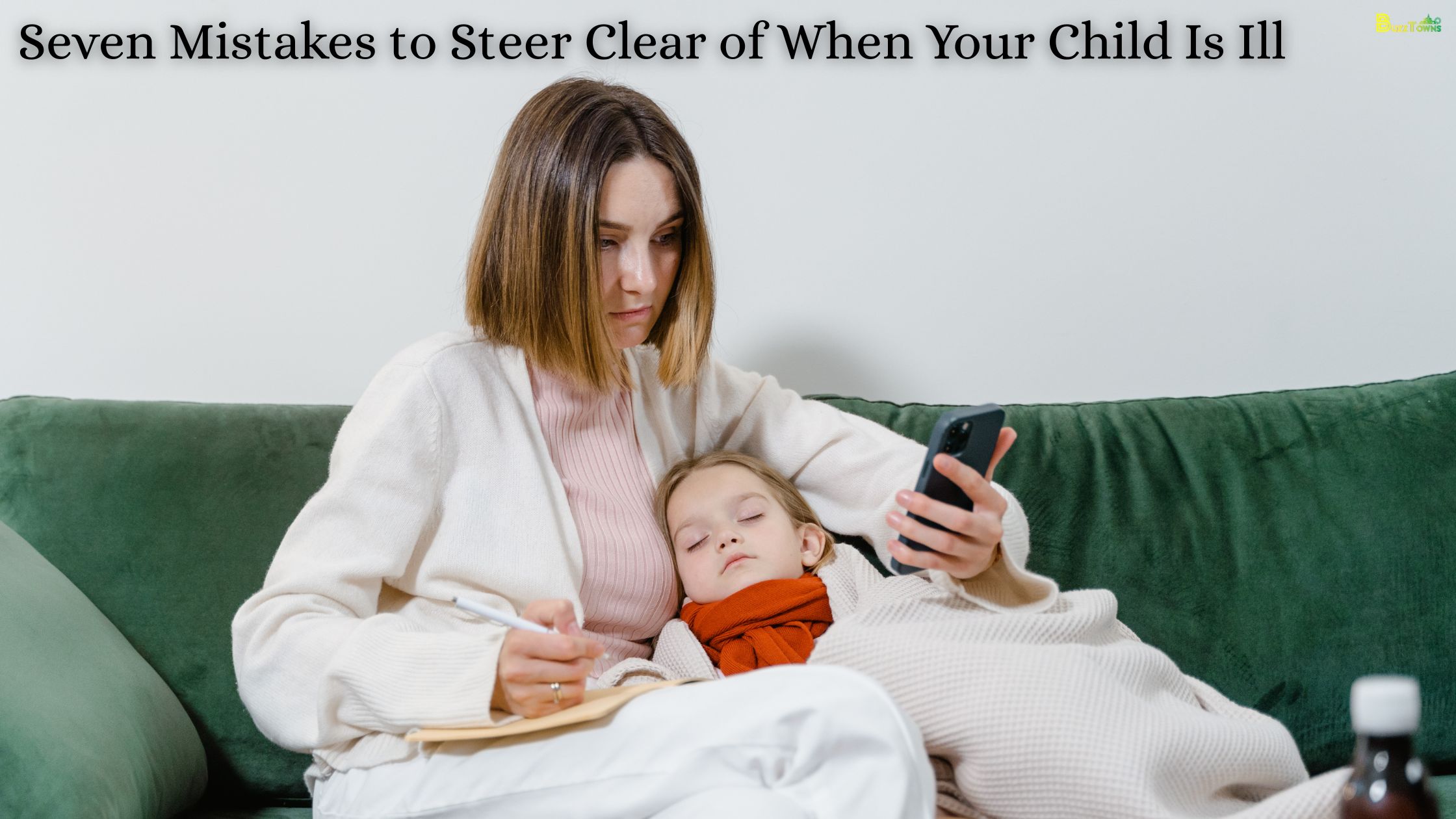
There is a universal, sinking feeling that every parent knows all too well: waking up in the dead of night to the sound of a harsh, hacking cough coming from the baby monitor, or touching your toddler’s forehead only to find it radiating heat like a tiny furnace. When our children fall ill, our deepest protective instincts immediately kick into overdrive. We want to wave a magic wand, banish their discomfort, and get them back to their energetic, playful selves as quickly as possible. However, in our panicked, sleep-deprived rush to make them feel better, it is remarkably easy to make well-intentioned but counterproductive errors. Navigating childhood sickness requires a calm mind, a bit of basic medical knowledge, and the ability to step back and assess the situation objectively. To help you manage the next inevitable cold, flu, or stomach bug with confidence, here are seven crucial mistakes to steer clear of when your child is ill.
1. Treating the Thermometer Instead of the Child
Fever phobia is a very real phenomenon among parents. When we see a digital thermometer flash 102°F (38.9°C), our first instinct is often to aggressively bring that number down with medication. However, pediatricians constantly remind parents that a fever is not an illness; it is merely a symptom. More importantly, it is a highly effective, natural defense mechanism. Your child’s body is deliberately raising its internal temperature to create an inhospitable environment for invading viruses or bacteria.
Instead of obsessing over the exact number on the screen, look at your child’s overall demeanor. Is your child running a 101°F fever but still happily playing with their blocks, smiling, and drinking water? Let the fever do its job. Conversely, if your child has a lower-grade fever but is completely lethargic, refusing all fluids, and inconsolable, that warrants a call to the doctor. Treat the child’s discomfort and behavior, not the number on the thermometer. (Note: Any fever in an infant under three months old always requires immediate medical attention).
2. Waking a Sleeping Child to Give Medication
Sleep is the human body’s ultimate healing state. During deep sleep, the immune system releases proteins called cytokines, which help promote sleep and fight off infections and inflammation.
One of the most common mistakes exhausted parents make is setting a strict alarm to wake their sick, deeply sleeping child just to administer a scheduled dose of ibuprofen or acetaminophen. Unless your pediatrician has explicitly instructed you to maintain a strict round-the-clock medication schedule for a specific, severe condition, let them sleep. Waking a sick child disrupts their restorative rest, makes them cranky, and often makes it incredibly difficult to get them back to sleep. If they are resting peacefully, their body is doing exactly what it needs to do.
3. Pressuring Your Doctor for Antibiotics
When your child has been coughing for a week and their nose is a constant stream of green mucus, it is natural to want a quick, definitive fix. Many parents march into the pediatrician’s office expecting—or even demanding—a prescription for antibiotics, believing it is the ultimate cure-all.
This is a massive pitfall. Antibiotics are strictly designed to kill bacteria (such as those that cause strep throat or certain ear infections). They are completely useless against viruses, which are the culprits behind the common cold, the flu, RSV, and most stomach bugs. Using antibiotics for a viral infection not only fails to help your child, but it also contributes to the dangerous global crisis of antibiotic resistance. Furthermore, antibiotics can wipe out the good bacteria in your child’s gut, leading to diarrhea and further discomfort. Trust your doctor when they tell you a virus simply needs time to run its course.
4. Forcing Them to Eat Solid Foods
When we are sick, our appetite naturally diminishes because the body is redirecting its valuable energy away from digestion and toward fighting the infection. The exact same biological process happens in children. Yet, parents often panic when their child refuses breakfast, lunch, and dinner, fearing they will waste away or lack the strength to recover.
Do not turn mealtime into a battleground. Forcing a sick child to eat can lead to an upset stomach, nausea, or vomiting. Instead of stressing over solid foods, pivot your entire focus to hydration. Dehydration is the actual danger during childhood illnesses, especially if the sickness involves a fever, vomiting, or diarrhea. Offer small, frequent sips of water, oral rehydration solutions, clear broths, or even low-sugar fruit popsicles. As long as they are getting fluids and producing wet diapers or using the bathroom regularly, the food can wait until their appetite naturally returns.
5. Relying on Over-the-Counter Cough and Cold Medicines
The pharmacy aisles are packed with brightly colored boxes promising to cure every symptom your child has—from coughs and severe congestion to fevers and headaches. However, pediatricians and health organizations strongly advise against giving over-the-counter (OTC) multi-symptom cough and cold medicines to young children, particularly those under the age of four (and often under six).
These medications have not been proven to be effective in young children and carry the risk of serious side effects, including rapid heart rates, breathing problems, and extreme drowsiness or hyper-excitability. Furthermore, multi-symptom medicines make it dangerously easy to accidentally overdose your child on specific ingredients, like acetaminophen, if you are giving them other medications simultaneously. Stick to single-ingredient fever reducers if absolutely necessary and rely on natural remedies—like a cool-mist humidifier or a spoonful of dark honey (for children over one year old)—for congestion and coughs.
6. Spiraling Down the “Dr. Google” Rabbit Hole
We live in the information age, which is both a blessing and a curse for modern parents. When your child develops a strange rash or a sudden fever, the immediate temptation is to type their exact symptoms into a search engine.
The problem with consulting the internet is that search algorithms tend to highlight the most extreme, terrifying possibilities. A simple viral rash quickly transforms into a rare, life-threatening tropical disease on a medical forum. This inevitably leads to skyrocketing parental anxiety, which your child will sense and internalize. While it is perfectly fine to look up general guidelines from reputable medical organizations, do not use the internet to diagnose your child. If you are genuinely concerned, call your pediatrician’s nursing line for rational, personalized advice.
7. Neglecting Your Own Health and Sanity
When your child is unwell, your own needs instantly drop to the bottom of the priority list. You survive on leftover toast, sleep on the hard floor next to their crib, and completely forget to drink a glass of water.
While parental sacrifice is a natural instinct, neglecting your own health is a critical mistake. You cannot pour from an empty cup. If you burn yourself out, skip your meals, and compromise your immune system, you are highly likely to catch the exact same bug your child has. Once the primary caregiver is down, the entire household dynamic crumbles. Wash your hands obsessively, eat nutritious meals, stay hydrated, and tag-team with your partner, a family member, or a friend so you can get a few solid hours of uninterrupted sleep. Taking care of yourself is a vital, non-negotiable part of taking care of your sick child.
The Bottom Line
Childhood illnesses are an unavoidable, stressful part of growing up. They are the rigorous training ground for your child’s developing immune system. While it is never easy to watch your little one feel under the weather, knowing exactly what to steer clear of when your child is ill can make the recovery process much smoother, safer, and less stressful for both of you. Trust your parental intuition, rely on medical professionals rather than panic, prioritize comfort and hydration, and remember that this phase is temporary. Before you know it, the fever will break, the cough will fade, and your home will be filled with their vibrant, chaotic energy once again.