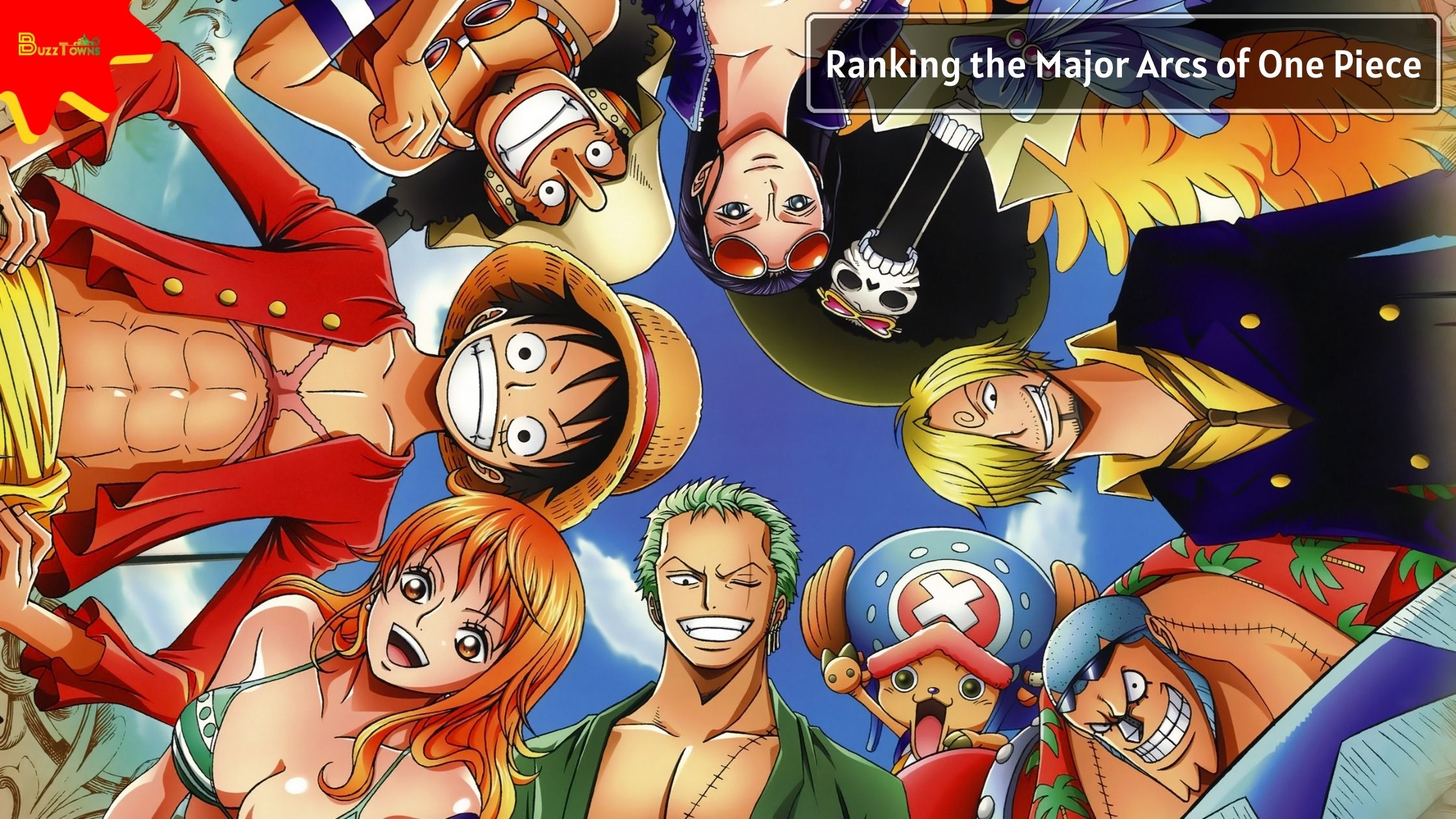
Arcs of One Piece: – One Piece fans are re-immersing themselves in the manga as the highly awaited premiere of Netflix’s adaptation of the venerable series draws near, increasing excitement for the live-action debut. But given the scope of Eiichiro Oda’s story and the intricate details he has painstakingly knitted, accomplishing this accomplishment is no easy task. The tale of Monkey D. Luffy and his ragtag crew is a literary and visual adventure filled with unexpected turns, memorable moments, terrifying foes, and incredible abilities that captivates both readers and viewers. In the midst of all this storytelling variety, one issue usually arises: Which storyline controls the One Piece universe? Can we really undertake the challenging task of ranking every single one of these various plot arcs that make up this epic tale? Let’s go along this difficult path of study and research.
Before diving into the huge and complicated world of One Piece, it’s critical to understand a few key points. There are a bewildering number of narratives in the franchise, each with its own personality, significance, and intricacy. However, not all arcs are created equal; while some cover several volumes and have climactic resonance, others just cover a few chapters and provide a glimpse into how the whole story is progressing. As a result, it would be quite difficult to rate each individual story arc individually due to the sheer quantity of them. Therefore, the focus of our analysis will be One Piece’s primary plot arcs, or sagas. These sagas include vast tales that cover concepts and have an impact on how the plot progresses.
The One Piece sagas can be ranked thoroughly using this approach, with each one being assessed for both its strengths and weaknesses as well as how much it added to the entire series. Even though some sagas may excel in particular areas, it’s important to acknowledge their significance and resonance within the overall narrative structure. We shall learn how these sagas are rated on the journey ahead, which will give us a thorough understanding of both their individual strengths and the combined impact they have on the epic plot.
The Ranking the Major Arcs of One Piece Sagas:
1) Summit War Saga
The Summit War Saga justifiably occupies the highest position in One Piece’s storyline. This story offers an unparalleled narrative upheaval marked by devastating defeat, crew separation, and a massive fight between the Marines and the Whitebeard Pirates, serving as the series’ first half’s climactic high point. The epic is the pinnacle of One Piece’s storytelling history because of its daring narrative decisions, engaging character interactions, and world-changing outcomes.
2) Water 7 Saga
The Water 7 Saga challenges accepted norms and alters the course of the series. The Straw Hat Pirates are forced to fight elite Marines in this story, which departs from notorious pirates and forces them to save Nico Robin. The narrative dives deeply into the ideas of sacrifice and redemption through character growth, tense encounters, and thematic study. The Water 7 Saga establishes itself as an arc of tremendous emotional resonance by weaving these story threads together.
3) Alabasta Saga
Every shonen series has one overarching storyline arc that stands the test of time. This prestigious status is held by the Alabasta Saga in the One Piece universe. This saga, which follows the East Blue Saga, pits the Straw Hat Pirates against the evil Baroque Works organisation in a crucial battle. Within the One Piece universe, the saga’s elaborate conflicts, emotional tension, and multifaceted narrative craftsmanship guarantee its reputation as a treasured classic.
Also Read – The ‘Wonka’ Movie: All You Need to Know
4) Dressrosa Saga
The Dressrosa Saga is a brilliant example of a nuanced narrative balance, skillfully fusing minute detail with powerful action scenes. This story introduces the menacing villain Don Quixote Doflamingo while elaborately examining themes of power and responsibility. It is situated at the intersection of morality and villainy. These components work together to create a dynamic narrative tapestry that interests readers and adds complexity to the story in Dressrosa Saga.
5) Wano Country Saga
The vast Wano Country Saga balances precariously between majesty and chaos. This saga’s broad narrative scope is filled with nonstop action scenes that emphasise the Straw Hat Pirates’ increased might. The saga’s persistent emphasis on never-ending fights, however, sporadically causes narrative weariness. Although the narrative admirably delves into complex subjects and realistically depicts Wano’s situation, its unrelenting action may obscure its greater significance.
6) Whole Cake Island Saga
The Whole Cake Island Saga offers a story full of paradoxes that embodies both virtues and faults. The saga’s early chapters struggle with pacing and narrative complexity, but its second half makes up for it with an original and exciting ending. The crew’s effort to free Sanji from the powerful Big Mom’s grasp is the basic tenet of the story. The saga’s course alternates between unpredictability and astonishing resolution, defining it as a mixed yet notable quality arc.
7) Thriller Bark Saga
The One Piece lore is neatly condensed into a narrative bundle in the thriller Bark Saga. It covers five volumes and is technically limited to a single arc, yet it tells a gripping story that takes place on an island-sized ship with a horror theme. The saga’s distinct ambiance, together with the expertly coordinated battles and alluring visual themes, add to its appeal. Readers get a classic taste of the pleasure of the One Piece series because to Thriller Bark’s distillation of the series’ fundamental essence into a cogent and compelling tale.
8) East Blue Saga
As the beginning of the adventure, The East Blue Saga has a particular place in the hearts of fans. The early exploits of the Straw Hat Pirates are described in this story, which also lays the foundation for later events. The Straw Hat Pirates’ core quintet in particular, the narrative lays the groundwork for crucial dynamics. The East Blue Saga’s importance in defining the series’ identity is undeniable, yet it may seem less interesting in comparison to the grandeur and complexity of later arcs.
9) Sky Island Saga
Within the One Piece canon, The Sky Island Saga is a distinctly different narrative outlier. This tale sets out on a quest to find rumoured treasures and stands out for its focus on a floating island. Despite having little to do with the main story, the saga adds to the world-building and features great battle scenes. Its significance within the context of the grand narrative, however, is diminished by its relative isolation from the larger scheme of events.
10) Fish-Man Island Saga
Despite being on the bottom rung of this rating, The Fish-Man Island Saga is far from being worthless. The Straw Hat Pirates travel to Fish-Man Island’s underwater world after a sizable period of time has passed, exhibiting their newly acquired strength. However, this tale runs into problems because it only focuses on the core group of characters. Instead, a sizable amount is devoted to delving into topics like racism and slavery, which slightly diminishes the crew’s involvement. Hody Jones, the antagonist, lacks the compelling complexity necessary to incite meaningful stakes, which lessens the effect of the narrative. The Fish-Man Island Saga, which may be considered one of the series’ weakest arcs, falls short of its potential even while it lays the groundwork for later developments.
In Conclusion:
One Piece is a prime example of diverse storytelling, as it has a wide range of sagas that add to the series’ multidimensional nature. The grandeur of the series is enhanced by the distinct thematic resonance and narrative significance that each tale leaves behind. Even if some sagas may have intrinsic flaws, they are nonetheless important pieces of the overall narrative picture. The order in which these sagas are placed reveals their unique qualities and the overall effect they have had on the heroic quest of the Straw Hat Pirates. Both devoted followers and newbies will be intrigued by the saga’s enthralling adventure as the live-action adaptation navigates the uncharted waters of new audiences.
Also Read – The Witcher Season 3: Premiere Date, Departure of Henry Cavill, and Latest Developments