
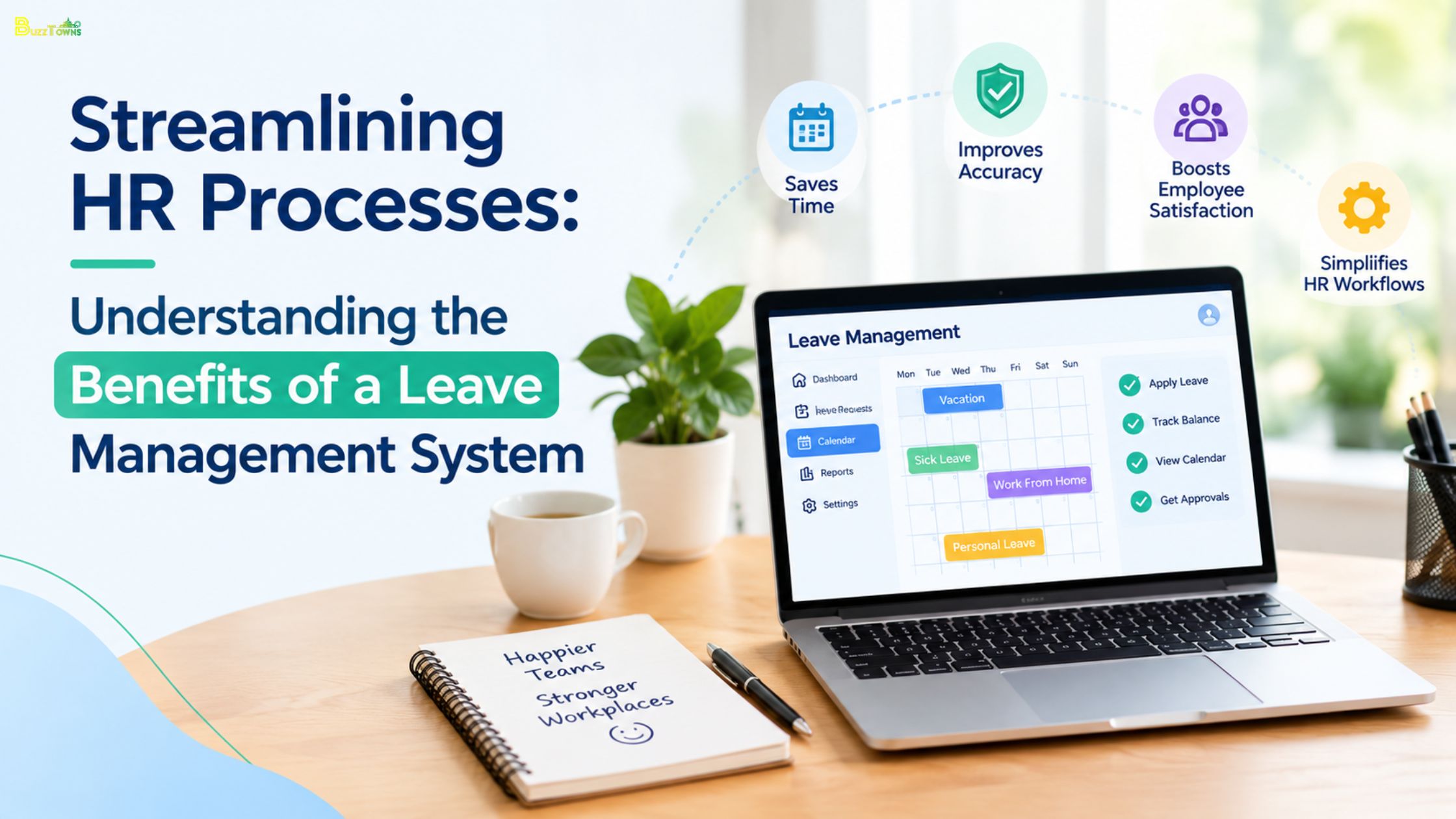
Managing employee leave may seem like a simple HR responsibility, but in a growing organization, it can quickly become complicated. Employees need to request time off, managers need to approve or reject requests, and HR teams have to keep track of leave balances, policies, attendance records, and payroll information. When all of this is handled manually, even a small mistake can create unnecessary confusion. This is where a leave management system can make a significant difference. By moving leave-related processes into one centralized platform, businesses can reduce administrative work, improve transparency, and make it easier for employees and managers to manage time off. Let’s explore the key Benefits of a Leave Management System and why it has become an important tool for modern HR teams.
What Is a Leave Management System?
A leave management system is a digital tool that helps organizations manage employee time-off requests and leave records. Instead of relying on emails, spreadsheets, paper forms, or conversations, employees can submit leave requests through a centralized system.
Depending on the platform, employees may be able to check their available leave balance, select the dates they need off, submit a request, and track its approval status. Managers can review requests and make decisions, while HR teams can monitor leave information across the organization.
The result is a more organized process where everyone can access the information they need.
1. Reduces Manual HR Work
One of the biggest Benefits of a Leave Management System is the amount of routine administrative work it can eliminate. Without a digital system, HR professionals may spend hours updating spreadsheets, checking leave balances, responding to employee questions, and following up with managers about pending requests.
Automation can handle many of these repetitive tasks. Leave balances can be updated automatically when requests are approved, notifications can be sent to relevant people, and records can be maintained in one place.
This gives HR teams more time to focus on activities that require human attention, such as employee engagement, recruitment, workplace development, and organizational planning.
2. Makes Leave Requests Easier for Employees
Employees should not have to navigate a complicated process just to request a day off.
With a leave management system, employees can typically submit requests online from a computer or, depending on the platform, a mobile device. They can also view their leave balance and see whether previous requests have been approved.
This creates a more convenient experience and reduces the need for employees to repeatedly contact HR for basic information.
A simple process also encourages employees to follow the organization’s official leave procedures instead of relying on informal messages or verbal requests.
3. Improves Transparency
Leave management can sometimes lead to misunderstandings. An employee may believe a request was approved, while a manager may remember it differently. HR may then have to investigate what happened.
A centralized system creates a clear record of each request. Employees can see the status of their requests, managers can see what they need to approve, and HR can access the relevant information when necessary.
This level of visibility can make the leave process more transparent and help reduce unnecessary disputes.
4. Helps Maintain Accurate Leave Records
Keeping accurate leave records is essential for HR departments. Mistakes in leave balances can affect employee satisfaction and may even create payroll or compliance problems.
Manual spreadsheets are particularly vulnerable to errors. A value can be entered incorrectly, a record may not be updated, or someone may accidentally overwrite important information.
A digital leave management system can automatically track approved leave and maintain employee balances according to the organization’s configured policies.
While HR teams should still review and monitor the system, automation can significantly reduce the amount of manual data entry involved.
5. Supports Better Workforce Planning
Employee absence can affect project timelines, customer service, team workloads, and daily operations. When managers know who is going to be away, they can plan work more effectively.
A leave management system can give managers visibility into upcoming absences, helping them identify periods when several team members may be unavailable at the same time.
For example, if multiple employees request leave around the same holiday period, managers can review the situation and plan staffing accordingly.
This doesn’t mean employees should be discouraged from taking their entitled leave. Instead, better visibility allows organizations to plan resources while respecting employees’ time off.
6. Helps Apply Leave Policies Consistently
Every organization has its own leave policies. There may be different rules for annual leave, sick leave, parental leave, unpaid leave, public holidays, or other types of time off.
When these policies are managed manually, it can be difficult to apply them consistently, especially as the workforce grows.
A leave management system can be configured around an organization’s specific rules. This can help standardize how leave requests are submitted, reviewed, and recorded.
Clear processes also make it easier for employees to understand how their leave works.
7. Simplifies Reporting and HR Insights
HR teams often need reports on employee leave and attendance. Preparing these reports manually can take considerable time.
A digital system can make it easier to access information such as leave taken by employees, upcoming absences, leave balances, and patterns over a particular period.
These insights can support workforce planning and help HR identify recurring operational challenges.
For instance, if a department regularly experiences overlapping absences, managers may want to review staffing levels or scheduling practices. The system provides data that can support those conversations.
8. Reduces Communication Gaps
Leave requests often involve several people. An employee submits a request, a manager reviews it, and HR may need to update records afterward.
When communication happens through scattered emails or messaging platforms, important information can easily get missed.
A centralized leave management system brings these interactions into one workflow. Notifications can alert managers when action is required, while employees can receive updates about their requests.
This reduces unnecessary back-and-forth and makes responsibilities clearer.
9. Creates a Better Employee Experience
HR technology isn’t only about making work easier for HR professionals. It should also improve the employee experience.
Employees want to know how much leave they have, when they can take it, and whether their request has been approved. Having access to this information without repeatedly contacting HR can make the process feel more straightforward.
A well-designed system gives employees greater visibility and control while keeping the organization’s policies and approval processes in place.
10. Scales With Business Growth
A leave process that works for 20 employees may not work as well for 200 or 2,000 employees.
As an organization grows, the number of leave requests, departments, managers, locations, and leave policies can increase. Manual processes become increasingly difficult to maintain.
One of the important Benefits of a Leave Management System is scalability. A centralized digital process can support a larger workforce without requiring HR teams to manage every request manually.
This makes leave management more sustainable as the business expands.
Choosing the Right Leave Management System
Not every organization has the same requirements, so businesses should consider their specific needs before choosing a system.
Important features may include employee self-service, automated approvals, leave balance tracking, customizable leave policies, notifications, reporting, calendar integration, mobile accessibility, and integration with existing HR or payroll systems.
Security should also be an important consideration because leave records are employee-related information. Organizations should evaluate how the platform handles access controls, data protection, and user permissions.
The goal isn’t simply to purchase another HR tool. The right system should solve actual administrative challenges and fit naturally into the organization’s existing workflow.
Final Thoughts
Leave management is a small part of HR operations, but it can have a surprisingly large impact on productivity and employee experience. When the process depends heavily on spreadsheets, emails, and manual updates, HR teams can spend unnecessary time handling routine tasks.
The Benefits of a Leave Management System go beyond simply automating leave requests. A well-implemented system can improve accuracy, increase transparency, simplify communication, support workforce planning, and give employees an easier way to manage their time off. For organizations looking to streamline HR processes, moving leave management to a centralized digital platform can be a practical step toward creating a more organized and efficient workplace.