
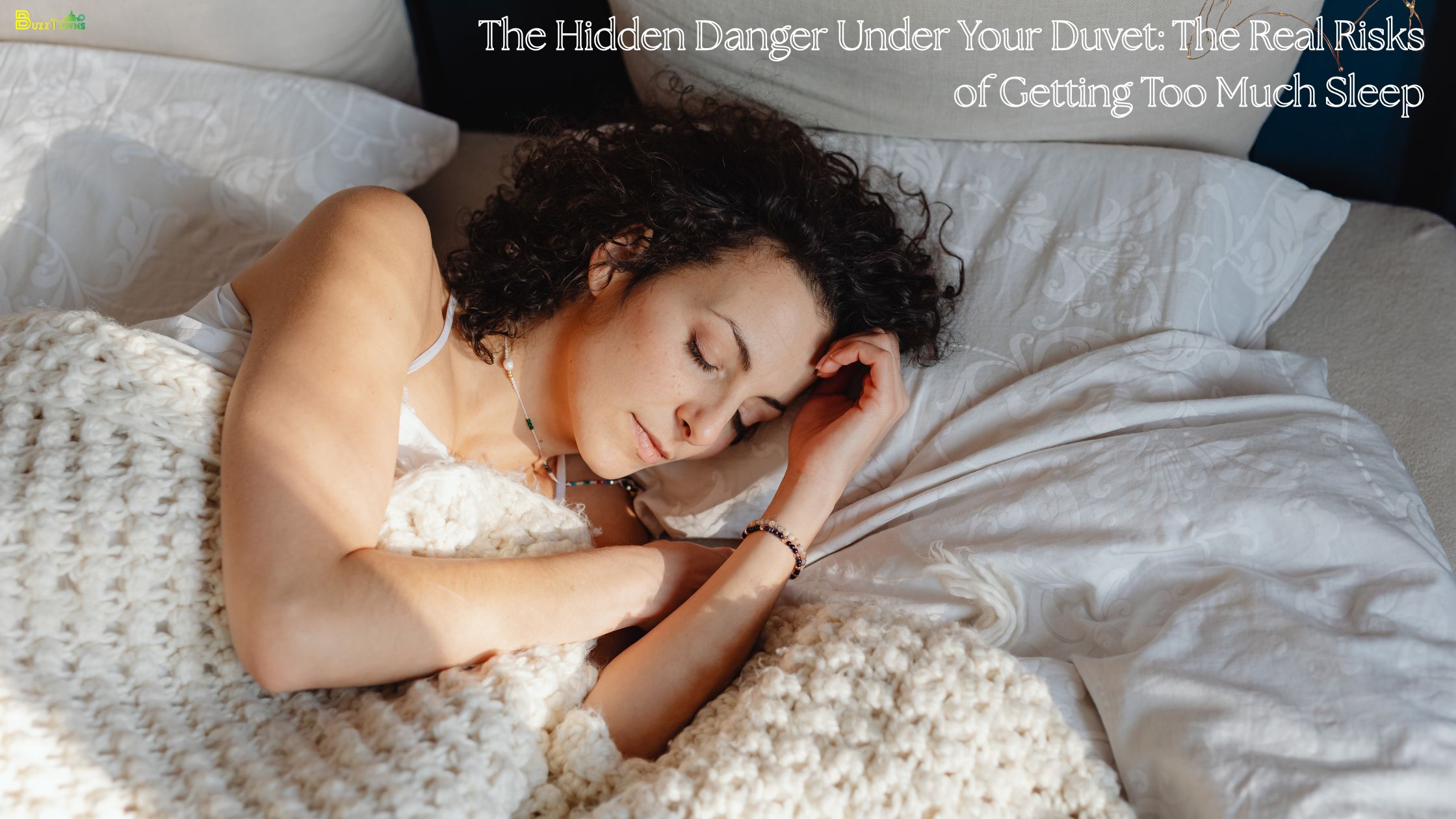
We live in a culture that constantly celebrates sleep—or laments the lack of it. Between the frantic pace of modern life, endless screen time, and demanding work schedules, chronic sleep deprivation is often treated as the default setting. We are told relentlessly to hit the hay earlier, download sleep-tracking apps, optimize our bedrooms, and chase those elusive eight hours like a holy grail. Naturally, when the weekend rolls around, the temptation to pull the duvet over your head and stay in bed for ten, eleven, or even twelve hours feels like the ultimate act of self-care. It feels restorative, earned, and completely harmless. However, emerging sleep medicine research suggests a surprising counterpoint: you really can have too much of a good thing. While not getting enough sleep has well-documented health consequences, medical scientists and researchers are increasingly pointing their flashlights in the opposite direction. Regular oversleeping, it turns out, carries its own set of serious physiological and psychological downsides. Understanding the risks of getting too much sleep is critical if your goal is genuine vitality, longevity, and everyday energy.
How Much Sleep Is Actually “Too Much”?
Before diving into the risks, it helps to establish baseline norms. The National Sleep Foundation and the American Academy of Sleep Medicine consistently recommend that healthy adults aim for seven to nine hours of sleep per night.
If you occasionally sleep ten hours after running a marathon, recovering from a bad flu, or pulling consecutive all-nighters, your body is simply catching up on a sleep deficit. That is normal biological homeostasis at work.
The problem arises when sleeping nine or more hours regularly becomes your habitual routine. Clinical studies refer to this pattern as “long sleep duration.” While societal pressure warns us about cutting corners on rest, researchers have repeatedly discovered a curious “U-shaped curve” in health data: health outcomes worsen not only when people sleep too little, but also when they consistently sleep too much.
1. Cardiovascular Strain and Heart Health
One of the most alarming findings in long-term epidemiological studies involves cardiovascular health. It feels intuitive that extra resting time gives your heart an easy break—lowering blood pressure and easing vascular strain. Counterintuitively, the data tells a very different story.
Multiple meta-analyses evaluating millions of participants have noted a distinct link between prolonged sleep duration and an increased risk of coronary heart disease, stroke, and cardiovascular mortality.
Why does this happen? Researchers suspect that prolonged sleep alters circadian rhythms, promotes low-grade systemic inflammation, and often corresponds with longer periods of physical inactivity. Over time, these factors can contribute to arterial stiffness, unstable blood pressure regulation, and poor circulation. When your body stays dormant for excessive stretches, the vascular system misses out on the natural cardiovascular conditioning that regular daytime mobility provides.
2. Metabolic Disruptions: Weight Gain and Diabetes
If you are trying to maintain a healthy weight or regulate your blood sugar, sleeping in excess could be quietly working against you.
Clinical studies have established a strong association between prolonged sleep and a higher risk of developing type 2 diabetes. When you sleep excessively, your body’s glucose tolerance and insulin sensitivity take a hit. Your cells become less responsive to insulin, meaning glucose lingers in the bloodstream longer than it should.
Furthermore, long sleep naturally reduces the number of hours you spend awake, moving, and burning energy. Even simple, non-exercise activities—like walking around your house, cooking, or fidgeting—account for a significant portion of your daily metabolic expenditure. Compounding the issue, prolonged bed rest often disrupts hunger hormones like leptin and ghrelin, triggering intense carbohydrate cravings during waking hours.
3. The “Sleep Hangover”: Brain Fog, Headaches, and Cognitive Sluggishness
Have you ever woken up after a ten-hour slumber expecting to feel like a superhero, only to feel groggy, disoriented, and irritable all afternoon?
In clinical terms, this grogginess is known as sleep inertia, colloquially dubbed a “sleep hangover.” When you oversleep, you often wake up from the deeper stages of non-REM or REM sleep rather than the lighter phases your body naturally surfaces from after a standard cycle.
Additionally, lingering too long in bed disrupts neurotransmitter balances in the brain—particularly serotonin. This disruption frequently triggers tension headaches or migraines. Dehydration and mild morning hypoglycemia from extended fasting only compound the headache, leaving you mentally dull despite having spent half your day asleep.
Longer term, chronic oversleeping isn’t just an inconvenience for your morning focus. Several prospective studies have linked extended sleep durations in older adults with accelerated cognitive decline, memory impairment, and an elevated long-term risk of neurodegenerative conditions such as dementia.
4. The Mental Health Paradox: Oversleeping and Depression
The relationship between sleep duration and mood disorders is deeply intertwined and often operates as a vicious cycle.
While insomnia is a classic symptom of major depression, atypical depression frequently manifests as hypersomnia—the persistent urge to sleep excessively. When you spend ten to twelve hours in bed, waking life becomes compressed. You get less exposure to natural sunlight, spend less time socializing, and miss out on mood-boosting physical activity.
This lack of daytime sunlight exposure prevents your brain from producing adequate daytime serotonin and disrupts nighttime melatonin production. The result? A biological clock that feels constantly out of sync, exacerbating feelings of lethargy, apathy, and emotional flattening. Rather than acting as a shelter from emotional stress, excessive sleep often cements depressive loops.
Oversleeping: Symptom or Cause?
When reviewing the risks of getting too much sleep, researchers often address a critical nuance: is excessive sleep causing these illnesses, or is it an early warning sign of an underlying medical issue?
The truth is likely a combination of both. In many cases, people oversleep because their sleep architecture is compromised. Even if they are in bed for ten hours, the quality of that rest may be severely degraded. Common culprits include:
- Obstructive Sleep Apnea (OSA): Frequent micro-arousals throughout the night cause oxygen drops, leaving the brain starving for restorative deep sleep regardless of hours clocked.
- Chronic Low-Grade Inflammation or Autoimmune Diseases: Conditions like fibromyalgia or thyroid dysfunction cause overwhelming physical fatigue.
- Nutritional Deficiencies: Low levels of Vitamin D, B12, or iron can leave the body perpetually exhausted.
- Side Effects of Medications: Antidepressants, antihistamines, and sedatives can significantly alter normal sleep-wake cycles.
If you find that you cannot function without nine or ten hours of sleep, it is worth looking beyond sheer exhaustion and evaluating sleep quality with a medical professional.
Finding Your Sleep “Sweet Spot”
Sleep is not a resource where “more” automatically equals “better.” Much like water, exercise, and food, it follows a Goldilocks principle: too little leaves you depleted, but too much brings its own set of burdens.
To recalibrate your sleep routine:
- Anchor Your Wake-Up Time: Wake up at the same hour every day, including weekends, to stabilize your internal circadian clock.
- Seek Immediate Morning Sunlight: Getting 10 to 15 minutes of natural light into your eyes within an hour of waking shuts down melatonin production and sets your internal timer for the night ahead.
- Aim for 7 to 8.5 Hours: Track how you feel on different durations; most adults perform best mentally and physically within this bracket.
- Get Up When You Wake Up: Resist the temptation to scroll, doze, or linger in bed as soon as your eyes open. Reserve your mattress solely for sleep and intimacy.
Prioritizing sleep is essential for a healthy life—but prioritizing balance is what truly keeps you thriving.