
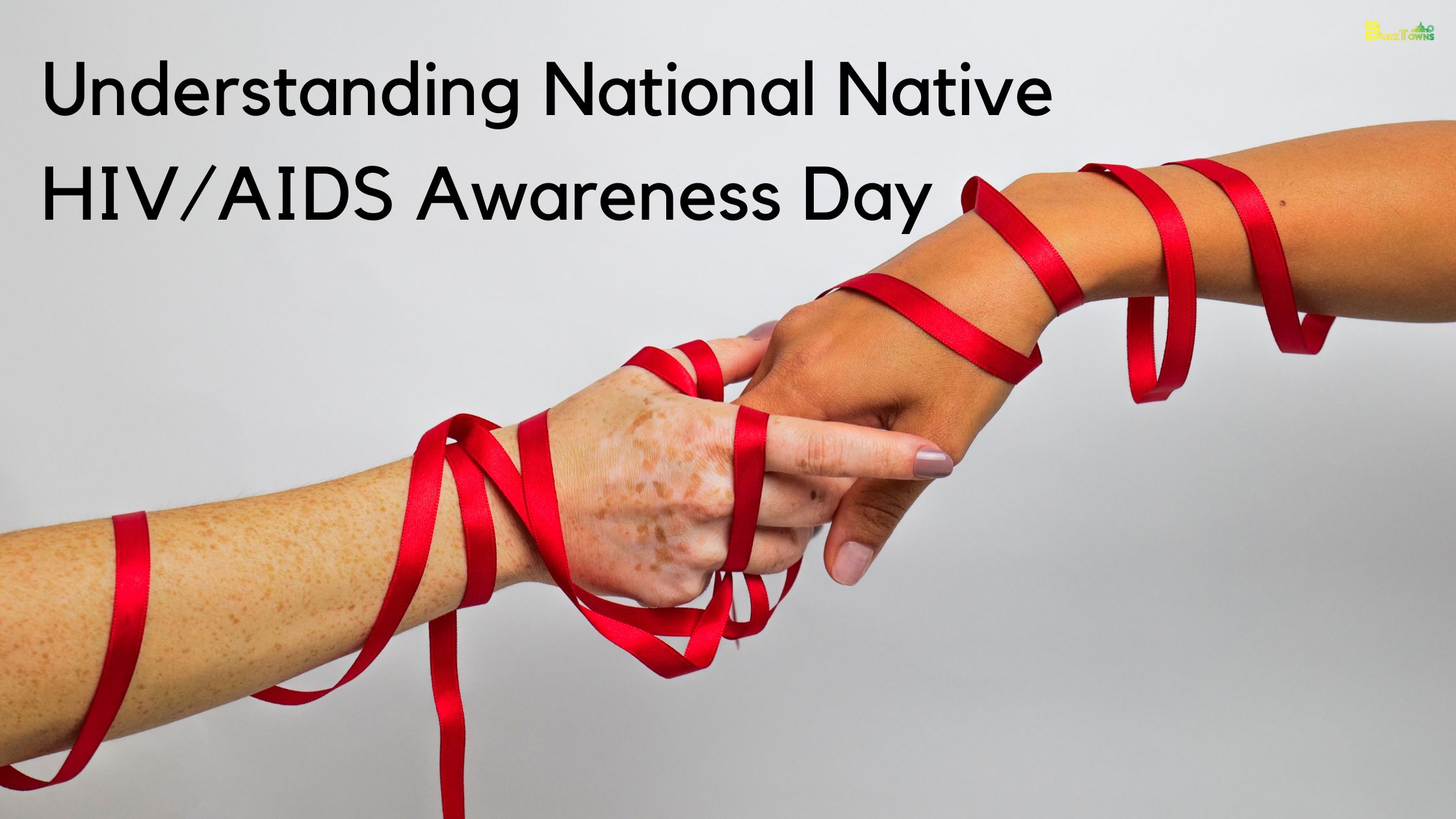
Even as healthcare stands as an elemental human entitlement, myriad communities, including indigenous populations like Native Americans, grapple with profound disparities in access. Against the backdrop of National Native HIV/AIDS Awareness Day, it becomes imperative to scrutinize the unique hurdles confronting indigenous peoples in their quest for healthcare and to illuminate the shadows veiling HIV/AIDS awareness within these communities.
This article endeavors to underscore the significance of this awareness day, shedding light on the prevalence of HIV/AIDS among Native Americans, delineating the barriers hindering healthcare access, and proposing actionable steps to enhance awareness and bolster support networks. Through such discourse, we aim not only to acknowledge the disparities but also to catalyze meaningful strides toward equitable healthcare provision and comprehensive HIV/AIDS education among Native American populations.
The Significance of National Native HIV/AIDS Awareness Day
March 20 marks the annual observance of National Native HIV/AIDS Awareness Day, a pivotal occasion aimed at illuminating the profound impact of the disease within Native American communities. It serves as a poignant moment for individuals to honor the memory of those lost to HIV/AIDS, extend heartfelt tributes to those affected by its grasp, and deepen their understanding of vital aspects such as treatment modalities, testing methodologies, and proactive prevention measures.
Commemorating Lives Lost
Each year, National Native HIV/AIDS Awareness Day unites communities in remembrance, paying homage to those who have succumbed to HIV/AIDS-related complications. It serves as a moment of reflection, contemplating their legacies, contributions, and the ongoing struggle against the disease.
Education and Prevention
This awareness day’s main objective is to inform people about HIV/AIDS preventive techniques. Native American organizations conduct workshops, educational campaigns, and community events with the goal of educating people about safer methods and the significance of routine testing.
Understanding the Prevalence of HIV/AIDS among Native Americans
In stark comparison to other racial and ethnic cohorts, Native Americans grapple with alarmingly elevated incidences of HIV/AIDS infections, despite constituting a minute fraction of the broader U.S. populace. To foster impactful prevention and treatment initiatives, it is imperative to grasp the intricate array of factors fueling this glaring incongruity.
Disparities in Healthcare Access
The prevalence of HIV/AIDS varies among Native American populations for historical and systemic reasons, such as cultural hurdles and restricted access to healthcare services. These difficulties are made worse by poverty, remote places, and a lackluster healthcare system.
Stigma and Discrimination
In myriad Native American communities, a lingering stigma envelops HIV/AIDS, hindering disease prevention efforts and dissuading individuals from seeking testing and treatment. Combatting this epidemic necessitates confronting stigma via culturally sensitive education and support initiatives.
Barriers to Healthcare Access
Encouraging individuals living with HIV/AIDS and halting the virus’s spread requires access to comprehensive healthcare services, which include testing, treatment, and support. Nonetheless, a number of obstacles prevent Native American populations from receiving care.
Geographic Challenges
The lack of proper healthcare facilities in many rural villages and Native American reservations forces locals to travel great distances in order to receive basic services. Access to care is further hampered by limited transportation alternatives and remote location, especially for those with HIV/AIDS.
Cultural Competency
The provision of healthcare requires cultural competency, however many medical professionals are unaware of the distinctive cultural customs and beliefs of Native American patients. Promoting healthcare access and utilization requires developing trust and creating conditions that are culturally sensitive.
Steps Towards Improved Awareness and Support
Collaboration between government agencies, healthcare providers, community organizations, and tribal leaders is necessary to establish a multidimensional strategy towards addressing the issues related to HIV/AIDS knowledge and healthcare access among Native American communities.
Community Engagement and Empowerment
The battle against HIV/AIDS mandates empowering Native American communities with the resources to govern their health destinies. Community-based organizations play a pivotal role in addressing the needs of those affected by HIV/AIDS, providing advocacy, supportive services, and culturally relevant information.
Policy Reform and Advocacy
Promoting HIV/AIDS awareness and prevention programs and removing structural barriers to healthcare access require vigorous advocacy for policy reform at the local, state, and federal levels. This entails tackling social determinants of health, improving access to HIV/AIDS testing and treatment services, and boosting funding for Native American healthcare initiatives.
Conclusion
National Native HIV/AIDS Awareness Day serves as a beacon, illuminating the persistent challenges that Native American communities face in combating HIV/AIDS and securing equitable access to top-tier medical care. Our mission extends beyond mere awareness; it encompasses a concerted effort to eliminate disparities, dismantle stigma, and advocate for legislative changes. Through collective action, we forge a path toward a future where every individual can readily access the resources and support necessary to cultivate enduring health and well-being.