
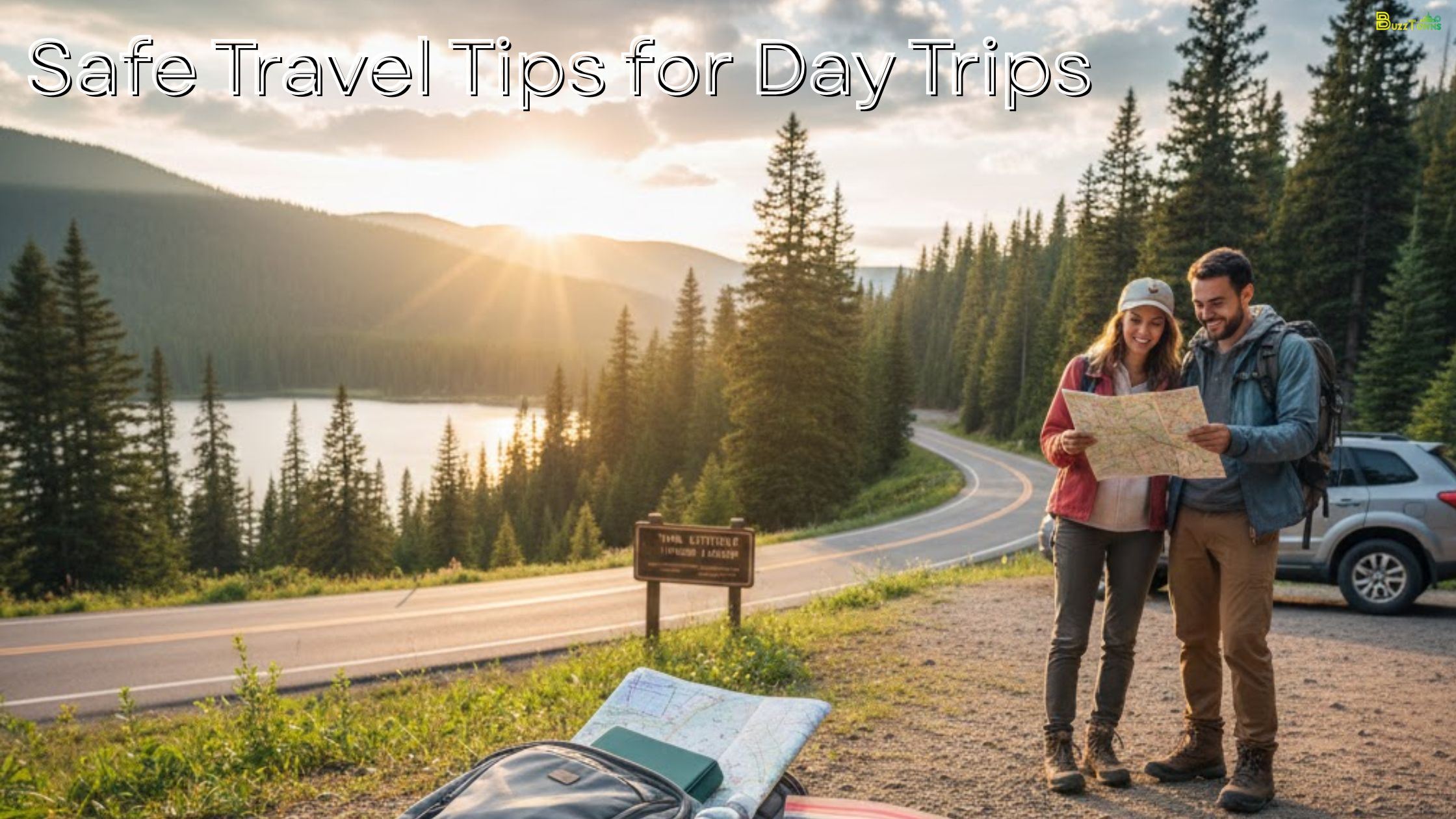
The open road, a new horizon, the promise of discovery – day trips are a wonderful escape from everyday life, offering a brief dose of adventure without the complications of an extended holiday. From picturesque hikes to fascinating city explorations, these mini-getaways are a great way to rejuvenate and create lasting memories. But while spontaneity is part of their charm, a little preparation goes a long way in ensuring that your day trip is not only enjoyable, but also safe and seamless. This comprehensive guide will equip you with all the knowledge you need to turn your day trip dreams into enjoyable realities.
The Pre-Trip Checklist: Laying the Foundation for Fun
Before you even think about hitting the road, a thorough planning stage can prevent many common day trip hazards. Think of it as building a strong foundation for your adventure.
1. Destination Deep Dive: Research is Your Best Friend
Understand Your Destination: Don’t just pick a place off a map. Research its unique features. Are there specific opening hours for attractions? Is it known for particular weather patterns? Are there any local events or festivals happening that might impact crowds or accessibility?
- SAFETY FIRST: LOCAL ADVICE AND REGULATIONS: Always check any travel advisories or local regulations, especially if you are visiting a national park or remote area. This could include fire bans, trail closures, or even specific parking rules.
- Accessibility and amenities: If you need specific access, or if you’re traveling with small children or elderly companions, research the accessibility of your chosen attractions, restrooms, and dining options. Look for information on stroller-friendly paths, wheelchair ramps, and family facilities.
- Emergency Services and Contacts: Know the local emergency number (it may not always be 911), and identify the nearest hospital or urgent care clinic. Save these numbers in your phone, and consider writing them down as a backup.
2. The Weather Report: Don’t Get Caught Off Guard
- Beyond the forecast: While the immediate forecast is important, consider the general climate of your destination. Mountainous areas can experience unpredictable weather changes, coastal areas can be windy, and deserts can have extreme temperature fluctuations between day and night.
- Layer up! The golden rule of day trip attire is layering. Even on a hot day, a sudden drop in temperature or cold wind can make you uncomfortable. Pack light layers that can be easily added or removed.
- Rain or sun protection: Always pack a light, waterproof jacket or a compact umbrella, even if the forecast predicts clear skies. No matter what the season, sunscreen and hats are non-negotiable for sun protection.
3. Packing Smart: Essentials for Every Scenario
Your day trip bag should be a carefully curated collection of necessities, not a last-minute jumble.
The “Big Three” – Water, Snacks, First Aid:
- Hydration is important: Carry more water with you than you think, especially if you’ll be active or in a hot climate. Dehydration can quickly turn a fun outing into a miserable one.
- Fuel your adventure: Pack a variety of non-perishable snacks to keep your energy levels up. Think trail mix, granola bars, fruit and sandwiches. Avoid sugary snacks that can cause energy loss.
- Mini First Aid Kit: A compact kit with band-aids, antiseptic wipes, pain relievers, allergy medicine, any personal prescriptions, and blister treatments is essential. You never know when a minor scratch or headache may occur.
Navigation Tools:
- Offline Maps: Download offline maps of your route and destination to your phone. Cell service may be poor in remote areas.
- Physical Map and Compass: As a backup, a physical map and compass can be invaluable, especially if you’re hiking or exploring areas without a reliable GPS.
- Empowerer! A portable power bank for your phone is a lifesaver, ensuring you can stay connected and use your navigation tools all day long.
Comfort and Convenience:
- Appropriate footwear: Comfortable, broken-in shoes are paramount, especially if you’ll be doing a lot of walking or hiking.
- Small Backpack/Daypack: A comfortable daypack will allow you to carry your essentials without putting strain on your back.
- Garbage Bags: Be a responsible traveler and pack everything you pack.
- Hand sanitizer and wet wipes: Essential for hygiene, especially when public restrooms are not readily available.
Identification and important documents: Have your driver’s license, insurance information and any necessary tickets or reservations with you. Also consider keeping digital copies on your phone.
On the Road: Navigating Your Journey Safely
The journey itself is part of the adventure, but it’s also where safety precautions are paramount.
1. Vehicle Check: Your Ride’s Ready for the Road
Pre-trip Inspection: Before leaving, do a quick inspection of your vehicle. Make sure your tires are properly inflated (including the spare!), check your oil and fluid levels, and make sure your lights and wipers are in working order.
- Fuel Up! Don’t take risks with a low fuel tank, especially if you’re going to remote areas where gas stations may be sparse.
- Emergency kit: Keep a basic emergency kit in your car, including jumper cables, a flashlight, a reflector triangle, and basic tools.
2. Driver Awareness: Stay Alert, Stay Safe
- Avoid distractions: Put your phone away and just focus on the road. Distracted driving is a major cause of accidents.
- Take breaks: Even a short day trip can be tiring. Plan regular breaks to stretch your legs, drink coffee or simply rest your eyes. Share driving responsibilities if possible.
- Be mindful of speed limits and road conditions: Adjust your speed according to road conditions, weather and traffic. Don’t rush; You’re on a relaxing day trip, not in a race.
- Designated Driver: If your day trip involves alcohol consumption, designate a sober driver in advance.
At Your Destination: Maximizing Enjoyment, Minimizing Risk
You’ve arrived! Now it’s time to explore, but always with an eye on safety.
1. Be Aware of Your Surroundings: Your Personal Radar
- Situational awareness: Pay attention to the people and activities around you. Trust your instincts; If a situation seems bad, remove yourself from it.
- Keep your valuables safe: Keep your wallet, phone and other valuables safe and out of sight, especially in crowded tourist areas. Consider using a cross-body bag or money belt.
- Notify someone about your plans: Tell a friend or family member about your itinerary, including where you’re going, your estimated return time, and who you’re with. This is especially important if you are hiking alone.
2. Embrace the Outdoors Responsibly: Nature’s Rules
- Stick to marked trails: If hiking, stick to designated trails to avoid getting lost, protect the delicate ecosystem, and avoid potential hazards.
- Pay attention to warning signs: Pay attention to all warning signs, whether they relate to slippery surfaces, dangerous wildlife, or restricted areas. They are there for your safety.
- Leave No Trace: Practice Leave No Trace principles: throw out all trash, stick to sustainable surfaces, respect wildlife and reduce your impact on the environment.
- Wildlife Encounters: Admire wildlife from a distance. Never feed wild animals, as this can make them dependent on humans and aggressive. Be wary of local wildlife (bears, snakes, etc.) and know what to do if you encounter them.
3. Food & Drink Savvy: Enjoying Local Flavors Safely
- Reputable establishments: If eating out, choose restaurants and food vendors with good hygiene practices.
- Stay hydrated (yet!): Continue to drink plenty of water throughout the day, especially if you’re spending time outside.
- Moderate alcohol consumption: If you choose to drink alcohol, do so responsibly and in moderation, especially if you are the designated driver or need to be alert.
4. Technology as a Tool, Not a Crutch
- Emergency Use: Your phone is an invaluable tool for emergencies, navigation, and staying connected. Keep it charged.
- Limit distractions: Although it’s tempting to constantly scroll or take photos, remember to put your phone away and really experience your surroundings. Be present in the moment.
- Digital copies: Store digital copies of important documents on your phone or in the cloud in case you lose physical copies.
The Return Journey: Ending Your Adventure on a High Note
The journey home is just as important as the journey there.
1. Final Checks: Don’t Leave Anything Behind
- Before departing: Do a final cleaning of your picnic site, rental car, or hotel room to make sure you haven’t left any personal items behind.
- Fuel and Rest: Before hitting the road for your return trip, make sure your fuel tank is sufficient for the trip and that you are well-rested.
2. Reflect & Recharge:
- Share your experiences: Talk about your day trip with friends or family. Sharing your experiences can be as enjoyable as the journey itself.
- Plan your next adventure: The best part of a successful day trip? This often sparks inspiration for the next one!
By incorporating these safe travel tips into your day trip planning, you will be well-equipped to handle any situations that come your way, leaving you free to fully immerse yourself in the joy of exploration and discovery. So pack your bags, fuel up the car and set off on your next unforgettable adventure – safely and seamlessly!