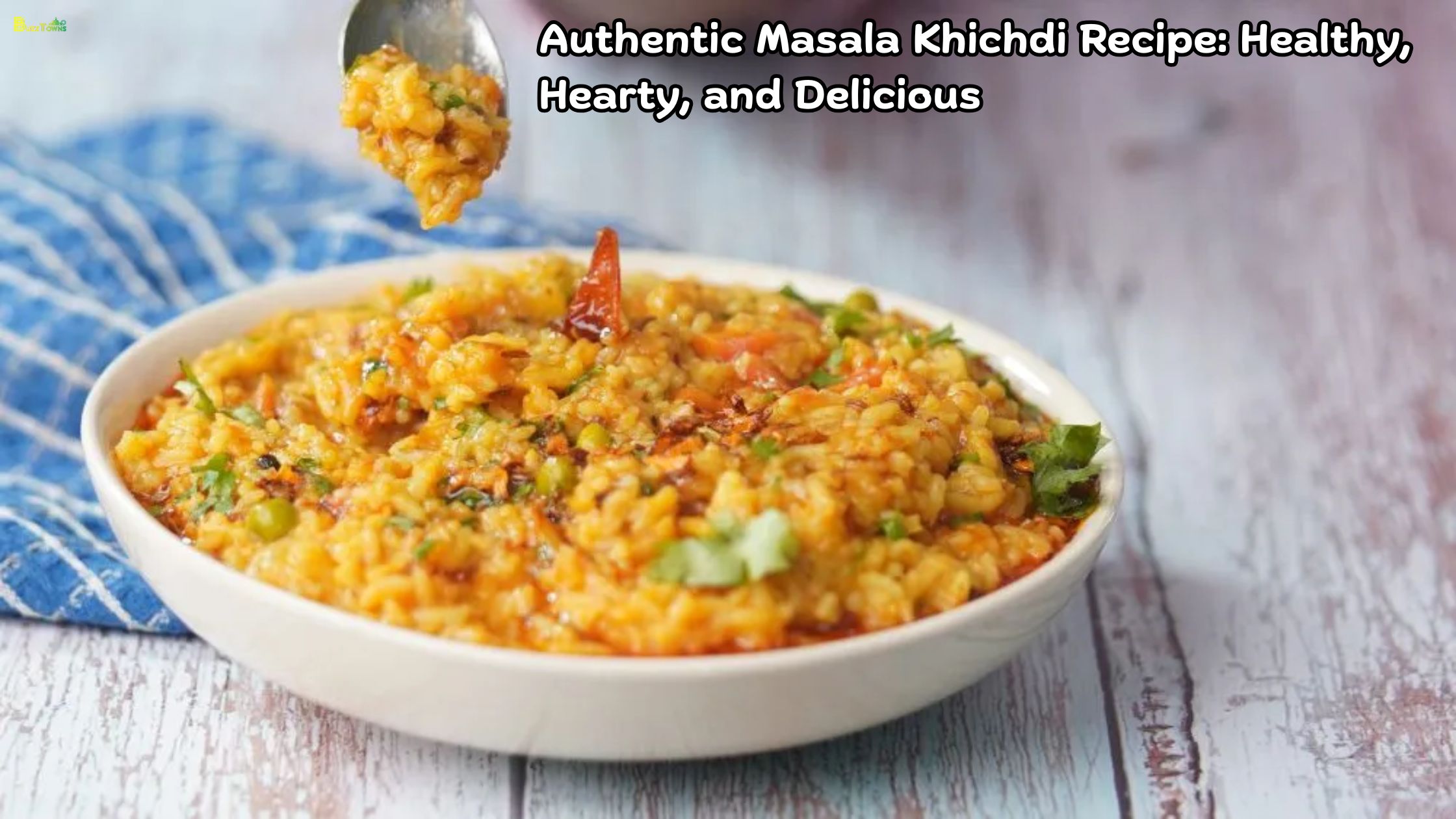
In the diverse world of Indian cuisine, if there is one dish that transcends regional boundaries, age groups, and social classes, it is Khichdi. Often dismissed as “sick people’s food” due to its easy digestibility, the masala khichdi version remains bland. It’s a vibrant, aromatic, and deeply satisfying one-pot meal that balances nutrition with incredible flavor.
Whether you’re looking for a weight loss-friendly dinner, a quick weeknight meal, or a comforting cuddle over a bowl after a long day, this authentic masala khichdi is your answer.
The Philosophy of Khichdi: Ayurveda and Nutrition
The word “khichdi” comes from the Sanskrit khichka, meaning a dish of rice and beans. In Ayurveda, it is considered a sattvic food – one that promotes clarity, balance, and health.
From a modern nutrition perspective, the combination of rice and lentils creates a complete protein profile. Rice is low in the amino acid lysine but high in methionine; Pulses are the opposite. When eaten together, they provide all nine essential amino acids that the body cannot produce on its own. Add a variety of vegetables and ghee, and you have a perfectly balanced macro-nutrient profile: complex carbs, lean proteins, healthy fats, and essential fiber.
Ingredients You’ll Need
To achieve that authentic, dhaba-style Masala Khichdi, quality matters. Here is what you will need:
1. The Grain and Pulse Base
- Rice (1/2 cup): Use short-grain rice like Sona Masuri or Kolam for a mushy, porridge-like texture. You can use Basmati, but traditional khichdi is usually softer.
- Moong Dal (1/2 cup): Yellow moong dal (split and skinned) is the most traditional choice because it is the easiest to digest. For added fiber, you can use Chilka Moong Dal (with skin).
2. The Vegetable Medley
- Onion (1 medium): Finely chopped.
- Tomato (1 large): Tangy and juicy.
- Green Peas (1/4 cup): Fresh or frozen.
- Carrots & Beans (1/2 cup): Finely diced.
- Potato (1 small): Cubed (optional, but adds great texture).
3. The “Masala” Aromatics
- Ginger-Garlic Paste (1 tbsp): Freshly pounded is always better.
- Green Chillies (2): Slit lengthwise.
- Whole Spices: 1 tsp Cumin seeds (Jeera), 1 Bay leaf (Tejpatta), 2 Cloves, and a small Cinnamon stick.
- Powdered Spices: 1/2 tsp Turmeric (Haldi), 1 tsp Red Chili Powder, 1 tsp Coriander Powder (Dhania), and 1/2 tsp Garam Masala.
4. The Magic Touch
- Ghee (2-3 tbsp): Non-negotiable for authenticity. It aids digestion and carries the flavor of the spices.
- Hing (Asafoetida): A pinch to prevent bloating.
- Fresh Cilantro: For garnish.
Step-by-Step Instructions
Step 1: Preparation and Soaking
First of all, mix rice and lentils in a bowl. Wash them together under running water 3-4 times until the water runs clear. Soak the mixture in water for at least 20-30 minutes. Soaking reduces cooking time and ensures that the grains are soft and fluffy.
Step 2: The Tempering (Tadka)
– Heat 2 tablespoons of ghee in a pressure cooker or heavy-bottomed vessel. When hot, add cumin seeds. When they start crackling, add bay leaves, cinnamon, and cloves. Add a pinch of asafoetida. This “blooming” of spices in the fat creates a base layer of flavor.
Step 3: Sautéing the Aromatics
Add chopped onion and green chilli. Fry the onion until it becomes transparent and light golden. Add ginger-garlic paste and cook for another minute until the raw smell disappears.
Step 4: Adding Vegetables and Spices
Add tomatoes and cook until soft and mushy. – Now add all your chopped vegetables (carrots, peas, beans, potatoes) to it. Fry them while stirring for 2 minutes. Add turmeric, red chilli powder, coriander powder, and salt. Mix well so that the vegetables are coated with the spices.
Step 5: The Cooking Process
Drain the soaked water from the rice and dal and put it in the cooker. Stir gently for a minute to “toast” the grains in the ghee and spices – this keeps the khichdi from becoming too sticky.
Water ratio: For porridge-like consistency, use a 1:4 ratio. Since we have 1 cup of grains (1/2 rice + 1/2 dal), add 4 cups of water.
Step 6: Pressure Cooking
Close the lid. If using a standard pressure cooker, cook on medium flame for 3-4 whistles. If using the Instant Pot, use the “Pressure Cook” mode for 8 minutes with a natural pressure release.
Pro-Tips for the Perfect Masala Khichdi
- Double tadka: For a truly restaurant-style experience, apply a second tadka just before serving. Heat 1 spoon of ghee, add dry red chilli and a little Kashmiri red chilli powder, and pour it over the hot khichdi.
- Consistency matters: Khichdi thickens as it cools. If it becomes too thick, add a splash of boiling water and stir well; Never add cold water to cooked khichdi as it spoils its texture.
- Roast the lentils: For a more nutritious taste, roast the moong dal in a pan until lightly golden before washing and soaking them.
Why Masala Khichdi is a Weight Loss Superfood
Many people believe that rice is “bad” for weight loss, but Masala Khichdi proves otherwise. Here’s why it works:
- LOW CALORIES, HIGH QUANTITY: Because khichdi absorbs a lot of water, you get a big portion for relatively few calories. A bowl usually ranges between 250 and 350 calories.
- Fiber factor: By loading the dish with vegetables like beans and carrots, you increase the fiber content, which keeps you satiated for longer and prevents blood sugar spikes.
- Metabolism Boost: Spices like ginger, turmeric, and cumin are known to improve digestion and boost metabolism rate.
- Gut Health: Khichdi is gentle on the stomach lining, making it an ideal “reset” food after binge eating.
How to Serve Masala Khichdi
Khichdi is rarely eaten alone. To complete the experience, serve it with:
- A dollop of extra ghee: Because “Khichdi ke chaar yaar: dahi, papad, ghee, aur achar” (Khichdi has four friends: dahi, papad, ghee, and pickles).
- Fresh curd (yogurt): Provides probiotics and a cooling contrast to the spices.
- Roasted papad: Adds the required crunch.
- Spicy pickle (pickle): For spicy taste.
- Kachumber Salad: Finely chopped onions, tomatoes, and cucumbers with lemon juice.
Conclusion
Authentic masala khichdi is more than just a recipe; This is a testament to the genius of simple materials. This proves that you don’t need expensive superfoods or complicated techniques to eat healthy. With its golden colour, aromatic tadka, and creamy texture, it satisfies the body as well as the soul. The next time you’re feeling overwhelmed with meal prep or just want a nutritious, hot dinner, remember this one-pot wonder. It’s fast, it’s cheap, and it’s incredibly good for you.