
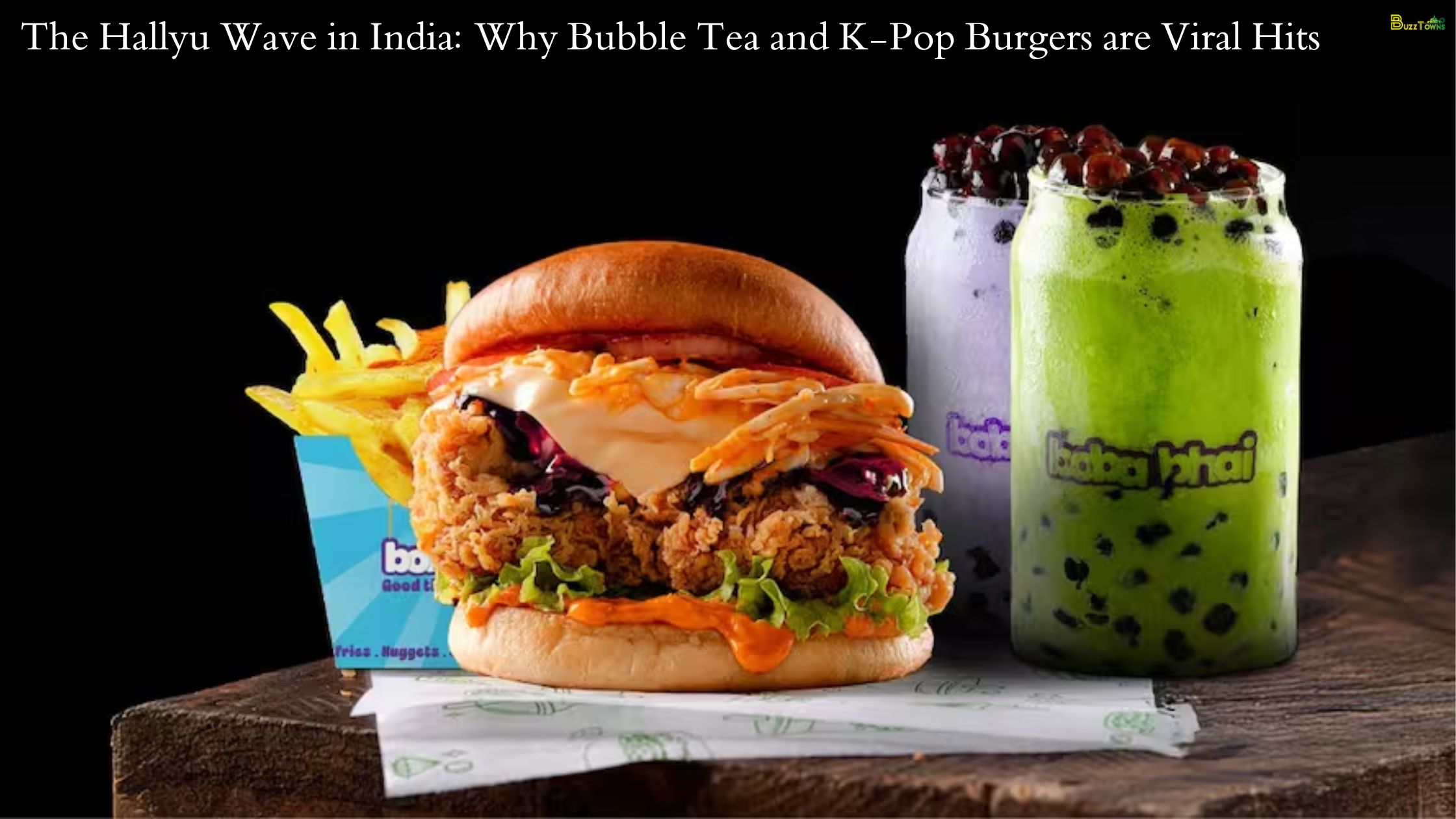
The cultural landscape of India is undergoing a massive, brightly colored, and incredibly flavorful transformation. What began a few years ago as a niche interest in Korean dramas and pop music has exploded into a full-blown lifestyle movement known as the Hallyu (Korean) Wave. Today, the influence of East Asian pop culture extends far beyond the screens of our smartphones and televisions; it has officially taken over our plates and palates. From the bustling streets of Delhi to the trendy, neon-lit cafes of Bangalore and Mumbai, a new culinary craze is dominating social media feeds, food delivery apps, and weekend plans. At the very center of this delicious, highly aesthetic revolution is the skyrocketing popularity of Bubble Tea and K-Pop Burgers.
But how exactly did these international comfort foods become the ultimate viral sensation in a country already boasting one of the world’s richest culinary traditions? The answer lies at the intersection of pop-culture fandom, flavor science, and the unstoppable power of social media aesthetics.
The Cultural Crossover: From Screens to Menus
To understand the food trend, we first have to look at the media consumption habits that drove it. During the global lockdowns of 2020, Indian viewership of K-dramas on streaming platforms skyrocketed by over 370%. Millions of young Indians were suddenly immersed in a world where food plays a central, almost cinematic role. Characters were constantly seen bonding over late-night fried chicken, sipping iced beverages from oversized cups, and eating steaming bowls of ramyeon.
Food in these dramas is never just sustenance; it is a plot device, a comfort mechanism, and a way to show affection. Naturally, as the parasocial relationship between Indian fans and Korean celebrities deepened, so did the curiosity about the food they were eating. The Hallyu Wave created a massive, pre-primed market of consumers who were hungry for a taste of Seoul before restaurants even had a chance to update their menus.
The Phenomenon of Bubble Tea and K-Pop Burgers
While they have different origins, both of these items have been bundled together by the youth culture as the ultimate “Hallyu combo meal.”
The Boba Boom
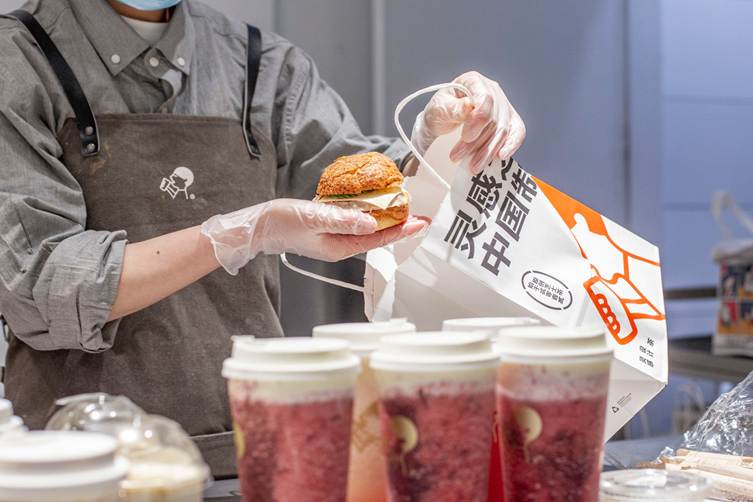
Bubble tea, or “boba,” actually originated in Taiwan in the 1980s, but it has been heavily popularized globally alongside the rise of broader East Asian pop culture. For the uninitiated, bubble tea is a sweet, milk- or fruit-based tea shaken with ice and loaded with chewy, black tapioca pearls that sit at the bottom of the cup.
In India, the beverage has transitioned from a confusing novelty to a weekly staple for Gen Z and Millennials. It offers an interactive drinking experience—the satisfaction of piercing the plastic seal with a wide straw and the unique textural contrast of the chewy pearls against the cold, smooth tea. From classic brown sugar milk tea to vibrant purple taro and earthy matcha, boba has become the undisputed beverage of choice for the young, urban demographic.
The Rise of the K-Pop Burger
If bubble tea is the aesthetic beverage, the K-Pop Burger is the bold, flavor-packed main course. But what exactly makes a burger “K-Pop”? It is all about the integration of Korean culinary staples and vibrant, highly marketable aesthetics.
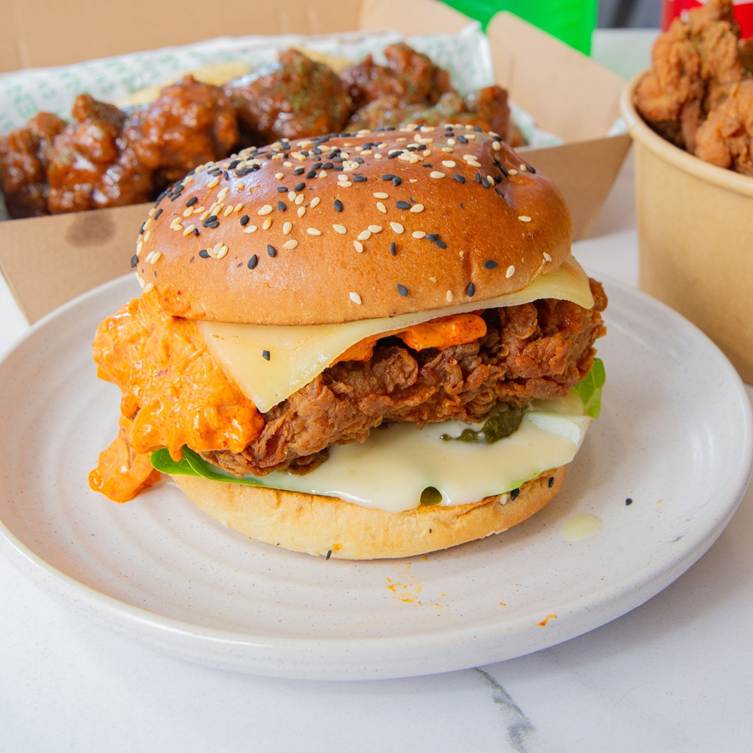
Unlike a traditional American cheeseburger, a K-Pop Burger usually features a massive, jaggedly crispy piece of Korean double-fried chicken. The chicken is typically tossed in a sticky, sweet, and fiery gochujang (Korean chili paste) glaze or a soy-garlic sauce. Instead of standard pickles and ketchup, these burgers are often layered with tangy kimchi slaw, pickled daikon radish, and spicy mayo.
To maximize the visual impact, many cafes serve these burgers on jet-black charcoal buns or vibrant beetroot buns, often branding them with names inspired by famous K-pop idol groups or popular drama tropes. It is an exercise in culinary fusion that perfectly marries global pop culture with aggressive, craveable flavors.
Why Are They Such Viral Hits in India?
The success of these items is not a random stroke of luck. It is the result of three specific factors that perfectly align with the modern Indian consumer’s mindset.
1. The Perfect Flavor Synergy
Indian palates are historically primed for bold, complex flavors. We love spice, we love deep-fried textures, and we appreciate a good balance of sweet, salty, and sour. Korean cuisine shares many of these characteristics. The fiery kick of gochujang and the fermented tang of kimchi resonate deeply with an audience raised on spicy curries, robust chutneys, and fermented pickles. The K-Pop Burger doesn’t alienate the Indian palate; it excites it by offering familiar flavor profiles in a novel, trendy format.
2. Peak “Instagrammability.”
In the digital age, we eat with our cameras first. The food and beverage industry has realized that a product’s success is heavily tied to how good it looks on an Instagram Story or a Pinterest board. Bubble tea, with its distinct layers, dark pearls, and oversized pastel straws, is inherently photogenic. Similarly, a K-Pop Burger dripping with red sauce against a black bun is visually arresting. The aesthetic appeal turns every customer into a micro-influencer, driving organic, viral marketing that money simply cannot buy.
3. Fandom and Experiential Dining
For Gen Z, dining out is no longer just about the food; it is about the experience and community identity. Consuming Bubble Tea and K-Pop Burgers is a way for fans to feel connected to a global cultural movement. It is a shared experience that signals in-group knowledge. When a teenager buys a gochujang burger, they aren’t just buying lunch—they are buying a tangible piece of the Hallyu lifestyle.
The Impact on the Indian F&B Industry
The Indian Quick Service Restaurant (QSR) and cafe sectors have been quick to adapt to this sweeping trend. Cloud kitchens dedicated entirely to Korean fried chicken and boba delivery are popping up in Tier 1 and Tier 2 cities alike. Established burger chains are frantically running R&D to introduce “Seoul Editions” of their classic sandwiches, trying to capture the massive spending power of the Hallyu-obsessed youth.
Furthermore, the rise of these specialized cafes is creating a new blueprint for restaurant interior design. Eateries are shifting away from rustic, industrial looks and moving toward pastel colors, neon signs, and dedicated “selca” (selfie) mirrors to mimic the vibrant cafes seen in the streets of Hongdae, Seoul.
Conclusion
The Hallyu Wave has proven that it is much more than a fleeting digital trend; it is a formidable cultural force that is actively reshaping the Indian culinary landscape. As long as K-dramas continue to dominate streaming charts and K-pop groups continue to break global records, the appetite for the culture’s associated cuisine will only grow. The viral success of Bubble Tea and K-Pop Burgers is a testament to the power of globalization, the influence of digital media, and the universal language of truly delicious, boldly flavored food.