
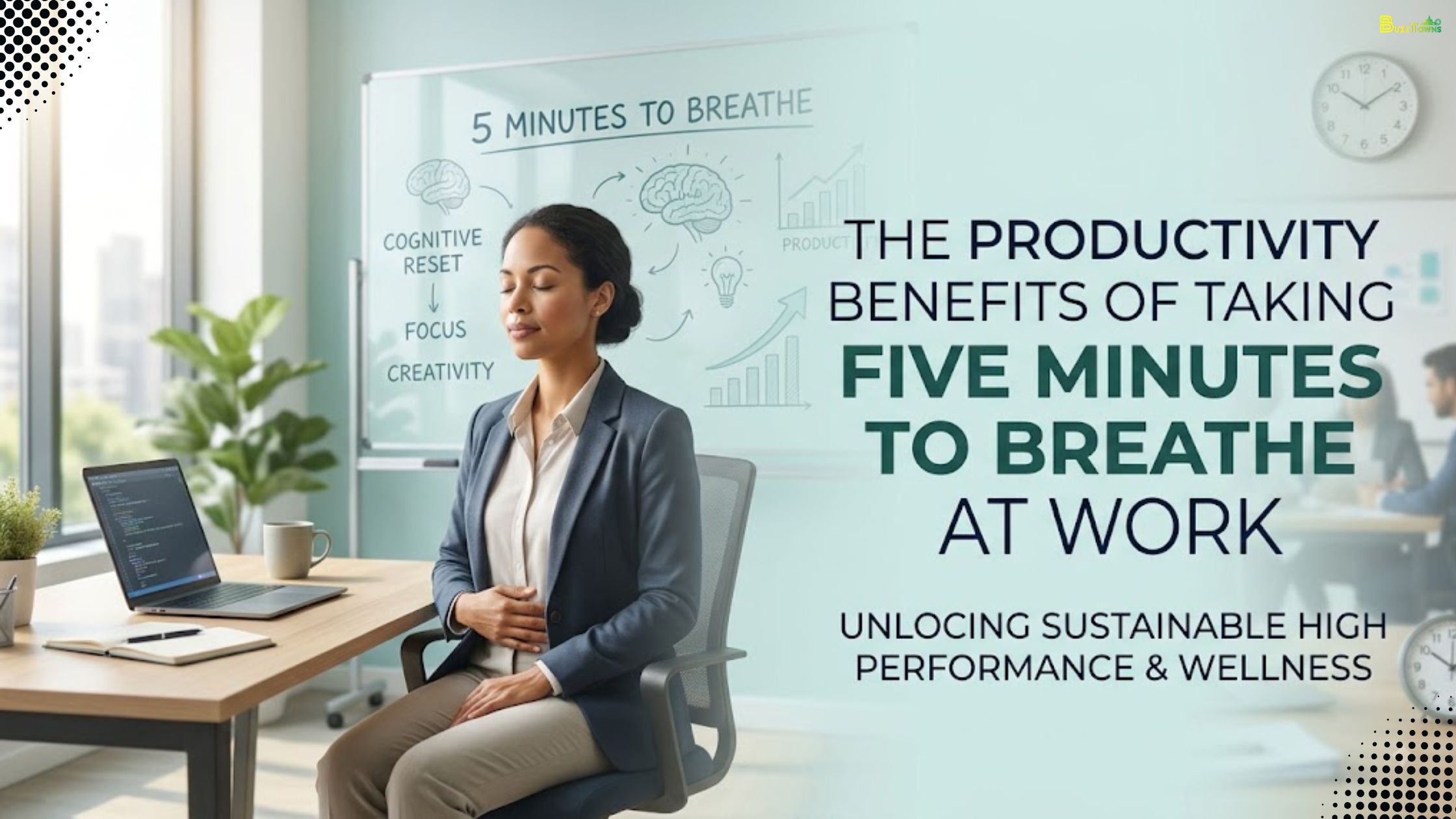
In modern workplace culture, continuous activity is often mistaken for productivity. Yet, neuroscience and performance psychology reveal that pausing for just five minutes can dramatically unlock higher cognitive function, enhanced creativity, and emotional poise. Picture a standard workday: back-to-back video calls, an overflowing inbox demanding immediate responses, tight project deadlines, and constant notification pings from team messaging channels. In the relentless rush to accomplish more in less time, many professionals adopt a brute-force approach to productivity. We push through fatigue, skip rest periods, and attempt to maintain intense cognitive focus for six, eight, or even ten hours straight. However, human brains were never designed to operate like high-speed supercomputers running continuous high-intensity background processes. When we work without intentional rest, our focus decays, decision fatigue sets in, error rates skyrocket, and baseline stress levels climb. The counterintuitive secret to achieving sustainable high output isn’t working longer—it’s taking intentional micro-breaks. Specifically, dedicating just five minutes to breathe can reset your nervous system and dramatically elevate your overall workplace productivity.
1. The Neuroscience of Workplace Stress and Cognitive Fatigue
To understand why a micro-break is so potent, it helps to examine what happens inside the brain during a demanding work environment. When faced with tight deadlines, unexpected escalations, or complex client requests, your body activates its sympathetic nervous system—commonly known as the “fight-or-flight” response.
While this physiological reaction evolved to protect our ancestors from immediate physical threats, in a modern office environment, it triggers continuous micro-doses of stress hormones like cortisol and adrenaline. Over the course of a day, elevated stress restricts blood flow to the prefrontal cortex—the region responsible for executive function, strategic planning, emotional control, and complex problem-solving.
When you intentionally pause for Five Minutes to Breathe deeply and slowly, you send a direct signal through the vagus nerve to activate the parasympathetic nervous system (the “rest and digest” state). This intentional shift:
- Lowers your heart rate and decreases blood pressure
- Reduces circulating stress hormones (cortisol and adrenaline)
- Restores essential oxygenated blood flow to your prefrontal cortex
- Shifts your brain out of survival mode and back into high-level thinking
2. Key Productivity Benefits of a 5-Minute Breathing Break
Integrating controlled breathing into your workday isn’t an idle luxury or soft wellness trend; it is a high-yield tactical intervention for professional output. Here is how taking five minutes directly translates into improved performance:
A. Restored Focus and Attention Span
Cognitive stamina degrades naturally over sustained periods of concentrated effort. Taking a brief, structured breathing pause acts like a clear key for your mental cache. By temporarily withdrawing from external stimuli and focusing on your breath, you allow neural circuits to rest, enabling sharper concentration when you return to your task.
B. Enhanced Decision-Making Under Pressure
High-stakes decisions made under acute stress are prone to emotional reactivity and cognitive bias. Five minutes of deliberate breathwork helps clear mental fog, allowing you to approach complex choices with objective clarity, long-term perspective, and emotional poise.
C. Reduced Error Rates and Rework
When mental fatigue sets in, simple mistakes proliferate—typos in important emails, overlooked spreadsheet figures, or miscommunicated instructions. Taking a momentary pause restores alertness, drastically cutting down on costly rework and missed details.
D. Unlocking Creative Problem-Solving
Staring relentlessly at a blank screen rarely produces creative breakthroughs. Ideas often emerge when the brain enters a relaxed, default mode state. Stepping away for Five Minutes to Breathe gives your subconscious mind space to connect seemingly disparate ideas, paving the way for creative solutions.
3. Simple, High-Impact Breathing Techniques for the Office
You don’t need yoga mats or specialized equipment to practice functional breathwork at your desk. Here are three simple techniques that fit seamlessly into any office routine:
1. Box Breathing (Navy SEAL Method)
- Inhale: 4 seconds through your nose
- Hold: 4 seconds
- Exhale: 4 seconds through your mouth
- Hold Empty: 4 seconds
- Effect: Repeat this cycle for five minutes to achieve instant calm, lower heart rate, and laser focus.
2. The 4-7-8 Relaxing Breath
- Inhale: 4 seconds quietly through your nose
- Hold: 7 seconds gently
- Exhale: 8 seconds completely through your mouth with a soft whoosh sound
- Effect: Rapidly down-regulates anxiety before major presentations or tough conversations.
3. Diaphragmatic (Belly) Breathing
- Place one hand on your chest and the other on your upper stomach.
- Inhale deeply through your nose so your stomach expands while your chest remains relatively still.
- Exhale slowly through your mouth.
- Effect: Maximizes oxygen intake and quickly releases physical tension held in your shoulders and neck.
4. How to Integrate Breathing Breaks into Your Workday
Knowing the benefits is one thing; consistently building the habit into a busy calendar is another. Here are practical strategies to ensure you carve out Five Minutes to Breathe amidst your everyday demands:
- Anchor to Pre-Existing Habits: Practice five minutes of breathwork immediately after your morning coffee, right before eating lunch, or right after logging off for the day.
- Use Transition Periods: Dedicate the five minutes between scheduled calendar meetings to reset your mind rather than hurriedly rushing into the next conversation.
- Set Subtle Calendar Reminders: Block out two non-negotiable 5-minute slots on your digital calendar labeled “Cognitive Reset” or “Focus Buffer.”
- Leverage Wearable Cues: Set gentle haptic vibrations on your smartwatch to remind you to step back and check in with your breathing every few hours.
Work Habits Compared: Continuous Pushing vs. Strategic Micro-Breaks
| Workplace Dimension | Brute-Force (No Breaks) | Strategic Micro-Breaks |
| Cognitive Focus | Steeply declines after 90 minutes | Maintained consistently across the day |
| Stress Level | Cumulative, leading to afternoon burnout | Regulated with regular parasympathetic resets |
| Decision Quality | Reactive, rushed, prone to fatigue | Thoughtful, measured, strategic |
| Error Frequency | High due to mental exhaustion | Low due to refreshed attention span |
| End-of-Day Energy | Completely exhausted, irritable | Sustained energy for personal life & hobbies |
Conclusion: Small Pauses, Massive Results
In a work culture that relentlessly glorifies busyness, stepping back might feel counterintuitive at first. Yet, taking Five Minutes to Breathe is not about doing less; it’s about equipping yourself to perform better. By granting your body and mind brief, structured moments of physiological relief, you protect your long-term health, elevate your daily output, and unlock a sustainable approach to professional achievement. Today, when you feel the pressure building or notice your focus wavering, don’t force your way through. Close your eyes, sit up tall, and give yourself five minutes to breathe—your brain, your team, and your work quality will thank you.