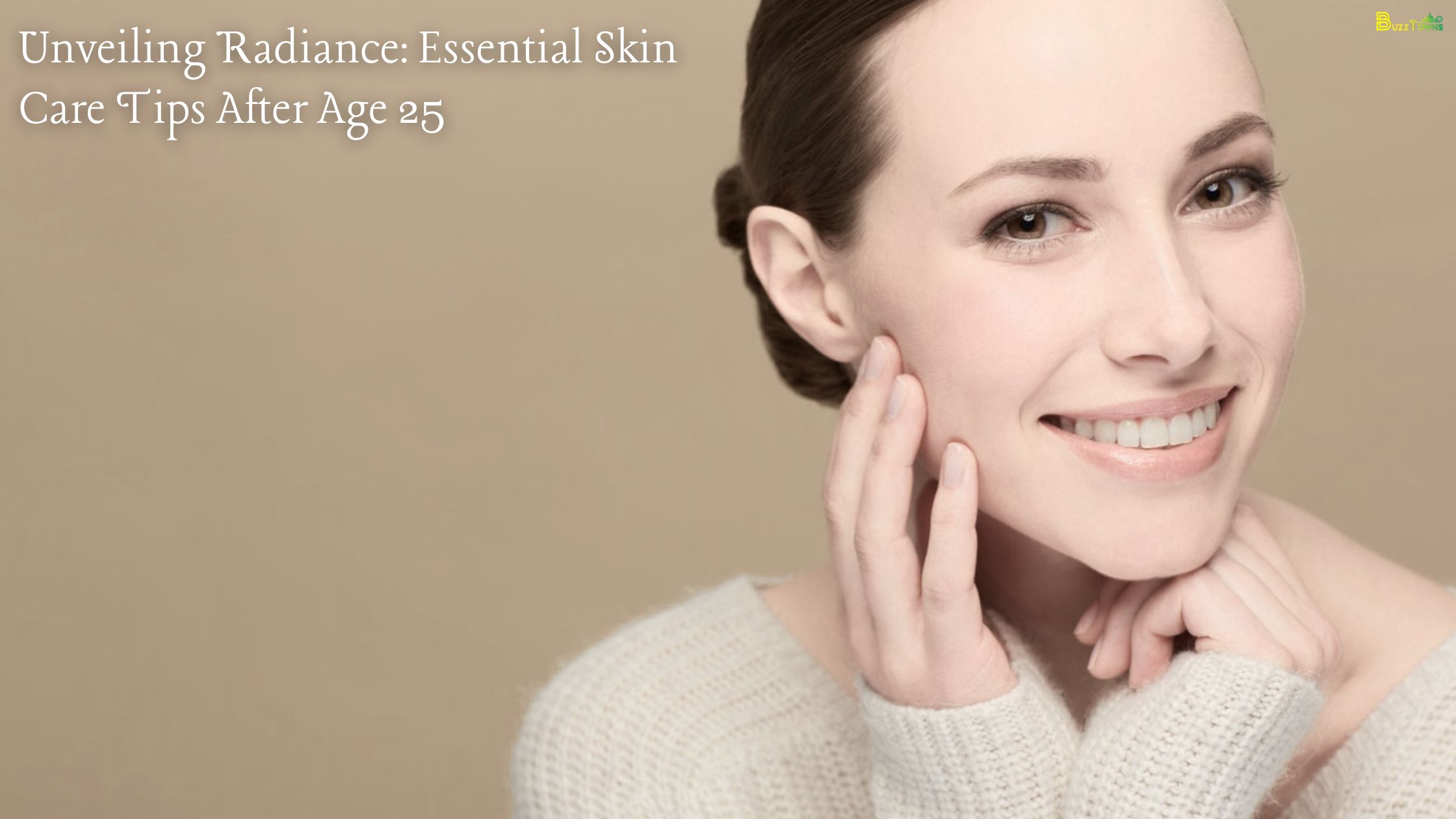
The mid-twenties represent a subtle but important changing point for your skin. By this age, the skin’s natural processes—collagen production, cell turnover, and oil regulation—are typically functioning at their peak. However, skin care tips after age 25, the synthesis of essential structural proteins, primarily collagen and elastin, begins to decline by about 1% each year. Cell turnover slows, and the skin’s ability to retain moisture and heal itself may be reduced.
This is the golden window for preventive skin care. A well-informed routine adopted now is the most powerful tool for maintaining a youthful, supple and radiant complexion for decades to come.
🔬Understanding the Shift (Why Skin Changes After 25)
To tailor an effective routine, it’s vital to know what you are fighting (or, more accurately, supporting).
The Decline of Structural Proteins
- Collagen: This protein provides strength and firmness to the skin. Its slow decline after 25 leads to the first signs of fine lines, especially around the eyes and mouth (crow’s feet and smile lines).
- Elastin: This allows the skin to stretch and ‘bounce back’. Its deficiency contributes to the gradual loss of skin elasticity and rebound.
- Hyaluronic acid (HA): A natural substance in the skin that holds up to 1,000 times its weight in water, HA levels also decrease with age, resulting in decreased plumpness and increased dryness.
Slower Cell Turnover
The process by which new skin cells are produced in the deeper layers and rise to the surface to replace dead cells slows down.
- The result: Dead cells remain on the surface for longer periods of time, causing discoloration, rough texture and potentially clogged pores.
Hormonal & Lifestyle Factors
Stress, cumulative sun damage (photoaging), pollution, diet, and hormonal fluctuations all begin to appear more prominently on the skin after the high elasticity of the youthful years diminishes.
☀️The Core Trio – The Non-Negotiable Essentials
If you only do three things for your skin, make them these. They form the foundation of any successful anti-aging diet.
1. Sunscreen: The Ultimate Anti-Aging Product
The goal: Prevent future damage and preserve existing collagen.
- Description: UV radiation is responsible for up to 80% of visible aging (wrinkles, dark spots, loss of firmness). Daily application is mandatory, no matter the season or if you are indoors (UVA rays penetrate window glass).
- Upgrade: Look for broad-spectrum SPF 30 or higher (protects against both UVA and UVB). Reapply every two hours when going out. Many experts recommend non-chemical (mineral) sunscreens containing zinc oxide or titanium dioxide, as they create a physical barrier.
- Application: Use a nickel-sized amount for face and neck. Don’t forget your hands!
2. Retinoids (Vitamin A Derivatives): The Gold Standard
- Goal: Increase cell turnover and stimulate collagen production.
- Description: Retinoids (broad term for retinol, retinaldehyde, and prescription tretinoin) are the most scientifically proven anti-aging ingredients available without a prescription. They communicate with skin cells, essentially telling them to behave like younger, healthy cells.
- Upgrade: Start with a gentle over-the-counter retinol serum (0.1% to 0.3%) applied only at night.
- Slow introduction: Apply once or twice a week initially, increasing the frequency as your skin builds tolerance.
- The ‘sandwich’ method: Apply moisturizer, then retinol, then moisturizer again to reduce intensity and irritation (dryness, flaking).
- Important note: Retinoids increase sun sensitivity, making daily sunscreen even more important. Do not use if pregnant or breastfeeding.
3. Antioxidants (Vitamin C): The Daytime Shield
- Goal: Neutralize free radicals and brighten the complexion.
- Description: Free radicals from pollution, UV and blue light degrade collagen. Vitamin C (specifically L-ascorbic acid or its stable derivatives) prevents this damage. It also plays an important role in stimulating collagen synthesis and reducing hyperpigmentation.
- Upgrade: Apply Vitamin C Serum Every Morning. Look for concentrations between 10% and 20%. When combined with sunscreen, vitamin C dramatically increases UV protection, acting as a powerful defense system.
💧Refined Routine Steps for Radiance
Your new routine should be focused on balancing cleansing, repair, and hydration.
Morning Routine: Protection & Prevention
- Gentle Cleansing: Use a mild, non-foaming, pH-balanced cleanser. A splash of water in the morning is often enough for people with dry skin.
- Antioxidant Serum (Vitamin C): Apply a few drops to dry skin.
- Eye Cream (optional but recommended): The skin around the eyes is thin and often shows the first lines. Look for ingredients like peptides or HA.
- Moisturizer: Oily skin also needs light hydration. Look for non-comedogenic formulas with ceramides or squalane to support the skin barrier.
- Sunscreen (SPF 30+): The grand finale!
Evening Routine: Repair & Renewal
- Double cleansing: This is especially important if you wear makeup or heavy sunscreen. Start with an oil or balm cleanser to break down product, then use your regular cleanser to cleanse the skin.
- Treatment/Active: This is where you apply heavy-hitting ingredients like retinoids or alpha hydroxy acids (AHAs). Note: Never use retinol and an AHA/BHA exfoliant on the same night.
- Hydrating Serum: Use a serum rich in hyaluronic acid or niacinamide to replenish moisture and soothe skin after active ingredients.
- Moisturizer/Facial Oil: Seal everything with a nourishing, thick moisturizer. It prevents transepidermal water loss (TEWL) overnight.
🧪Incorporating Targeted Actives
Beyond the core trio, you can introduce other powerful ingredients to address specific concerns.
| Ingredient | Primary Benefit | Who Should Use It? | When to Use It? |
| Hyaluronic Acid (HA) | Intense hydration, skin plumping, barrier support. | Everyone, especially dry or dehydrated skin. | Morning and/or night. |
| Niacinamide (Vitamin B3) | Minimizes pore appearance, calms redness, regulates oil, brightens. | Oily, sensitive, or acne-prone skin. | Morning and/or night. |
| Alpha Hydroxy Acids (AHAs) (e.g., Glycolic, Lactic) | Chemical exfoliation, brightens dullness, improves texture. | Dull, dry, or sun-damaged skin. | 1-3 nights per week. |
| Beta Hydroxy Acids (BHAs) (e.g., Salicylic Acid) | Penetrates oil in the pores, treats acne and blackheads. | Oily, congested, or acne-prone skin. | 1-3 nights per week. |
| Peptides | Signal cells to produce more collagen, non-irritating alternative to Retinol. | Those focusing on firmness and wrinkles. | Morning and/or night. |
The Importance of Exfoliation
As cell turnover slows, exfoliation becomes important to prevent the build-up of dead skin cells.
Recommendation: Use a gentle chemical exfoliant (AHA/BHA) 1 to 3 times per week. Excessive exfoliating damages the protective skin barrier, leading to sensitivity, redness and rashes.
🍎The Holistic Approach (Lifestyle & Wellness)
Skin care extends far beyond topical products. Your overall health is reflected in your skin’s vitality.
1. Diet and Nutrition
- Focus on Omega-3s: These healthy fats, found in fatty fish (salmon), walnuts, and flax seeds, are important for maintaining the skin’s lipid barrier and reducing inflammation.
- Antioxidant-rich foods: Berries, green leafy vegetables and green tea help fight internal free radical damage that contributes to aging.
- Reduce sugar: Excessive sugar consumption leads to glycation, a process where sugar molecules attach to collagen and elastin, causing them to become stiff and brittle. This significantly accelerates the appearance of wrinkles and sagging.
2. Sleep Quality
During sleep your skin enters its repair and regeneration mode (the ‘beauty sleep’ phenomenon).
- Growth Hormone Release: Essential growth hormones that peak cell repair while you sleep. Lack of sleep impairs the skin’s ability to repair daily damage, causing symptoms like dark circles and slowing healing time. Aim for 7-9 hours.
3. Stress Management
Chronic stress increases cortisol levels, which can lead to inflammation, collagen breakdown and conditions like acne, eczema and rosacea. Incorporate stress-reducing practices like yoga, meditation or spending time outside.
🎯 Conclusion and Next Steps
The skin care journey after age 25 is all about prevention, consistency and maintenance. It’s not about fighting aging, but about smart aging – about supporting your skin’s natural resilience. Your routine doesn’t need to be complicated to be effective. Prioritize the core trio (sunscreen, retinoids, and vitamin C), establish a consistent cleansing and moisturizing foundation, and tailor your active ingredients (HA, niacinamide, peptides) to your specific concerns. Remember, the investment you make in your skin today will pay off in the form of a glow tomorrow.