
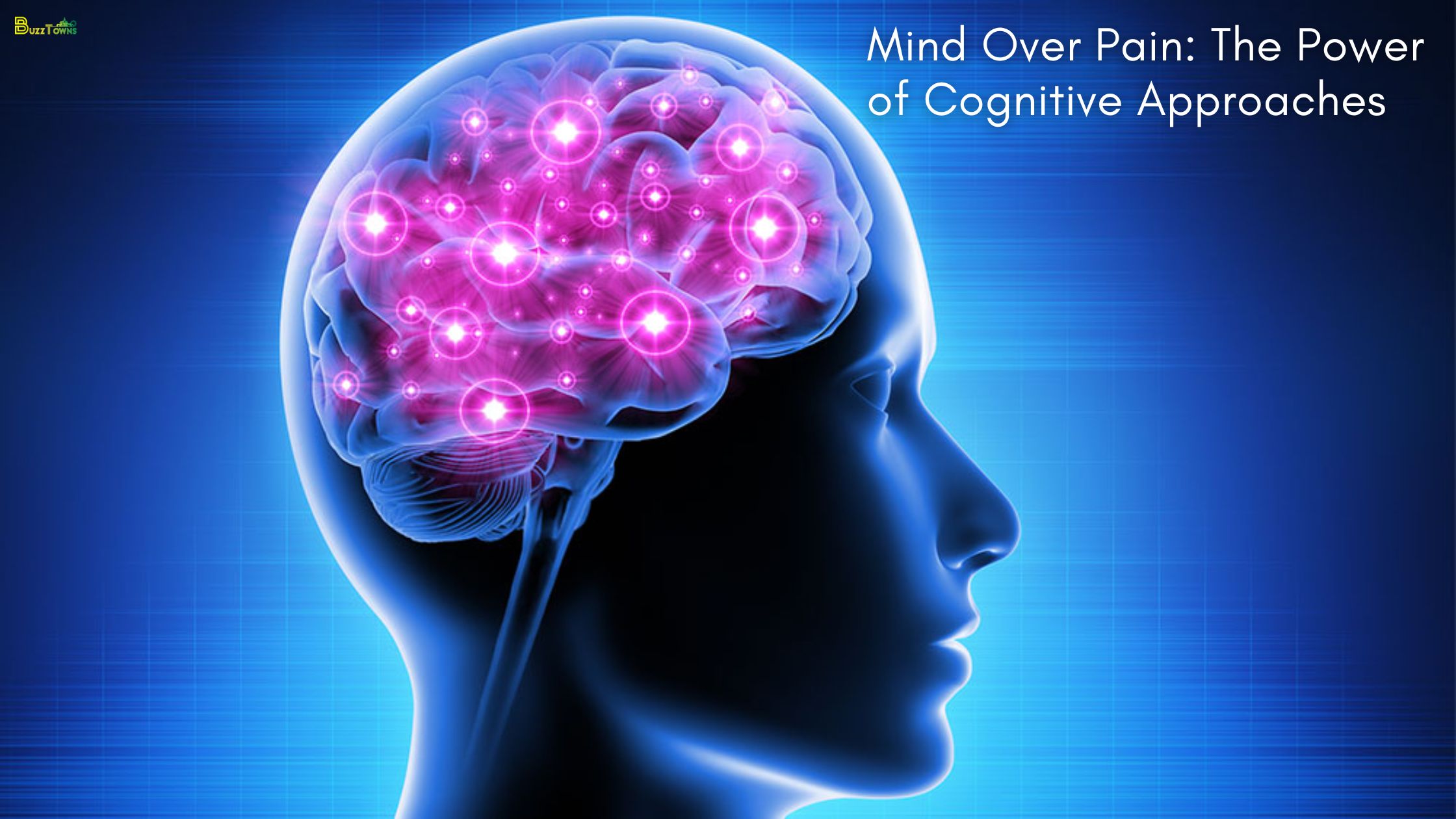
For decades, the medical and scientific communities viewed pain through a strictly mechanical lens. The prevailing theory was simple: if a part of the body was damaged, it sent a direct, uninterrupted signal to the brain, and we felt pain. Treatment, therefore, focused entirely on fixing the physical tissue. However, as our understanding of neuroscience has evolved, a profound truth has emerged. Pain is not just a physical sensation; it is a highly complex, subjective experience deeply influenced by our thoughts, emotions, and psychological state. This realization has revolutionized pain management, shifting the focus from purely biomedical interventions to a more holistic, biopsychosocial model. At the forefront of this shift is the Power of Cognitive Approaches. By understanding how the brain interprets pain signals and learning how to reshape those interpretations actively, individuals suffering from chronic pain can reclaim their lives, reduce their suffering, and fundamentally change their relationship with physical discomfort.
The Neurological Reality of Pain
To understand why cognitive strategies are effective, we must first comprehend how pain is perceived and constructed in the body. When you experience an injury, nerve endings called nociceptors detect the potential threat and send warning signals up your spinal cord to your brain.
However, these signals are not inherently “painful” until the brain receives them, processes them, and decides that you need to be protected. Your brain acts as a central control room, evaluating the incoming signals alongside your current emotional state, past experiences, and expectations. If your brain perceives a high level of threat—perhaps because you are stressed, anxious, or fearful about the sensation—it turns up the “volume dial” on the pain.
To better visualize the incredible network responsible for these rapid-fire communications, explore this interactive breakdown of the human nervous system:
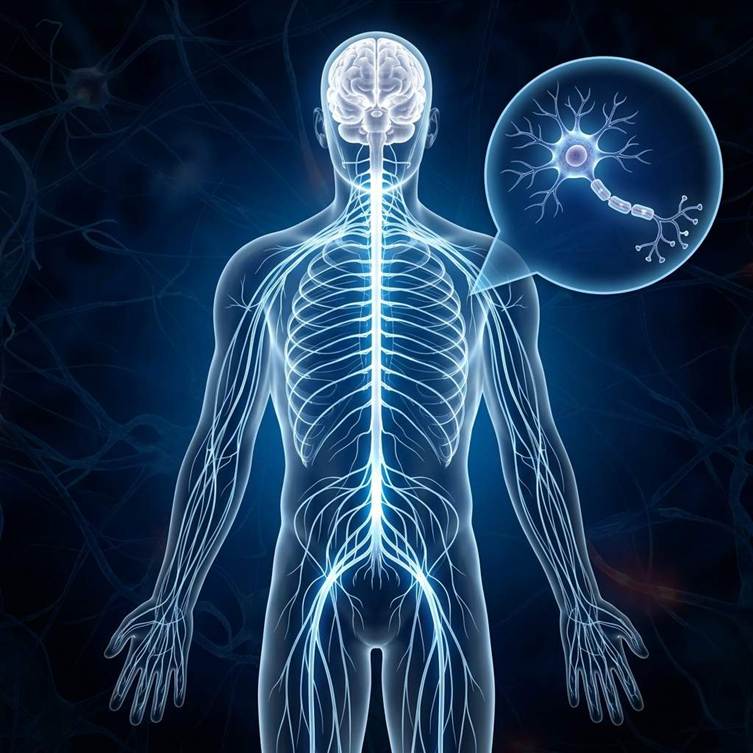
Key insight: The physical structures that carry pain signals are directly wired into the areas of the brain responsible for emotion and memory. This anatomical overlap is why our psychological state can literally dictate the intensity of physical pain.
What Are Cognitive Approaches?
Cognitive approaches are evidence-based psychological therapies that aim to alter the way a person thinks about and responds to their pain. These methods do not suggest that the pain is “all in your head” or imaginary. Instead, they acknowledge the very real physical sensation while addressing the mental and emotional distress that amplifies it.
Here is a breakdown of the three most effective cognitive frameworks used in pain management:
| Approach | Primary Focus | Mechanism for Pain Relief |
| Cognitive Behavioral Therapy (CBT) | Restructuring negative thought patterns | Reduces anxiety and “catastrophizing” |
| Mindfulness-Based Stress Reduction | Present-moment, non-judgmental awareness | Detaches emotional suffering from physical sensation |
| Acceptance and Commitment Therapy | Value-driven living and psychological flexibility | Shifts focus from fighting pain to living fully |
1. Cognitive Behavioral Therapy (CBT)
CBT is the gold standard for psychological pain management. It focuses on identifying and changing negative thought patterns. When someone is in chronic pain, it is incredibly common to fall into a cycle of “pain catastrophizing”—thinking thoughts like, “This will never get better,” or “This pain means my body is destroyed.” CBT helps patients recognize these unhelpful thoughts, challenge their accuracy, and replace them with more balanced, realistic perspectives.
2. Mindfulness-Based Stress Reduction (MBSR)
Mindfulness teaches individuals to observe their physical sensations without judgment or immediate reaction. When pain flares up, the default human instinct is to tense up, panic, and try to escape it. Mindfulness trains the brain to gently observe the sensation (“I feel a burning in my lower back”) without attaching a fearful narrative to it (“I am in danger, this is awful”).
3. Acceptance and Commitment Therapy (ACT)
While CBT seeks to change thoughts, ACT encourages individuals to accept them. ACT operates on the principle that the constant struggle to eliminate pain often causes more psychological suffering than the pain itself. By accepting that some level of discomfort may be present, individuals can stop fighting a losing battle and instead commit their energy to activities that bring their life meaning and joy.
The Science: Why Changing Your Mind Changes Your Pain
The efficacy of cognitive approaches is not just anecdotal; it is grounded in hard neuroscience. Our brains possess a remarkable quality called neuroplasticity—the ability to physically rewire and form new neural connections throughout our lives.
When you live with chronic pain, your nervous system becomes hypersensitive. It learns to get better and faster at transmitting pain signals. However, neuroplasticity works both ways. By consistently practicing cognitive techniques, you can actually rewire your brain to be less reactive.

When you engage in mindfulness or cognitive reframing, you activate the prefrontal cortex (the logical, reasoning part of the brain) and calm down the amygdala (the brain’s fear center). This shift lowers the production of stress hormones like cortisol and adrenaline. Because a relaxed nervous system is a less sensitive nervous system, lowering your overall stress directly reduces the physical intensity of the pain you feel.
Practical Techniques to Try Today
Harnessing the power of cognitive approaches does not necessarily require a therapist’s office. There are practical, everyday strategies you can begin implementing immediately to shift your relationship with pain.
- Catch and Release Negative Thoughts: Pay close attention to your inner monologue when pain flares up. If you catch yourself thinking, “This is ruining my life,” actively pause. Acknowledge the thought, and try to reframe it: “This is very uncomfortable right now, but I have managed flare-ups before, and I am safe.”
- The Body Scan Meditation: Lie down in a comfortable position and systematically focus your attention on different parts of your body, starting from your toes and moving up to your head. Instead of avoiding the areas that hurt, breathe into them gently. Observe the sensation as raw data (heat, pressure, tingling) rather than as a threat.
- Activity Pacing: Chronic pain often leads to a “boom and bust” cycle—overdoing it on good days and collapsing on bad days. Pacing involves consciously breaking tasks into smaller, manageable chunks and taking scheduled breaks before the pain forces you to stop. This gives you a sense of control and reduces the fear associated with activity.
- Diaphragmatic Breathing: When pain strikes, breathing often becomes shallow and rapid, signaling panic to the brain. Force yourself to take slow, deep breaths from your belly. Inhale for a count of four, hold for four, and exhale for six. This activates the vagus nerve, which acts as a brake on your body’s stress response.
Embracing a Holistic Future
Living with chronic pain is an immense challenge that touches every aspect of a person’s life. While medical interventions, physical therapy, and medication will always play a vital role in treatment, they are only pieces of a larger puzzle. True healing and management require addressing the brain just as much as the body. The Power of Cognitive Approaches lies in their ability to return a sense of agency to the individual. By reshaping our thoughts, calming our nervous systems, and choosing how we relate to our physical sensations, we can dial down the volume of our pain and step back into a life defined by purpose and joy, rather than limitation.