Over the centuries, the bra has evolved from a simple breast binder into a sophisticated piece of clothing, designed for support, comfort, and fashion. Still, for many people, the world of bras remains a complex and confusing landscape. It can seem overwhelming to walk into a lingerie store, with terms like “balconette,” “plunge,” and “minimizer” all over the place.
Choosing the right bra is important for more than just size; It’s about understanding the function and look of different styles that match your body, your outfit, and your activity. Wearing the right bra can dramatically improve your posture, confidence, and overall comfort, while wearing the wrong bra can cause discomfort, poor fit, and visible lines under clothing.
This ultimate guide will demystify the many types of bras available, breaking them down based on their primary construction, coverage, and specific function, ensuring you know how to build an ideal, supportive, and stylish lingerie wardrobe.
Classification by Coverage and Cup Style
The cups are the most defining feature of a bra, dictating how much of the breast is covered and the shape it provides.
1. Full Coverage Bra (The Everyday Staple)
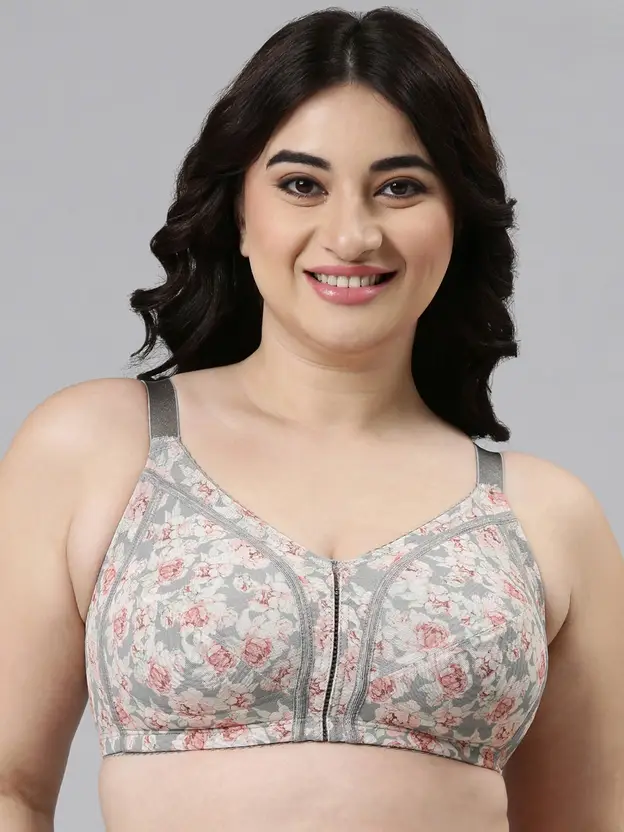
- Design: The cups are designed to surround the entire breast tissue, providing the maximum amount of coverage. The neckline is usually high.
- Function and Support: Provides superior support and prevents leakage from the top, sides or bottom, which is especially important for those with a larger bust. This ensures a seamless, secure silhouette.
- Best for: Everyday wear, especially under work clothes, knit tops, and loose-fitting dresses where a fully contained shape is preferred.
- Pro Tip: If you have larger breasts, look for a style with wide straps and a strong back band for optimal weight distribution.
2. Demi-Cup / Half-Cup Bra
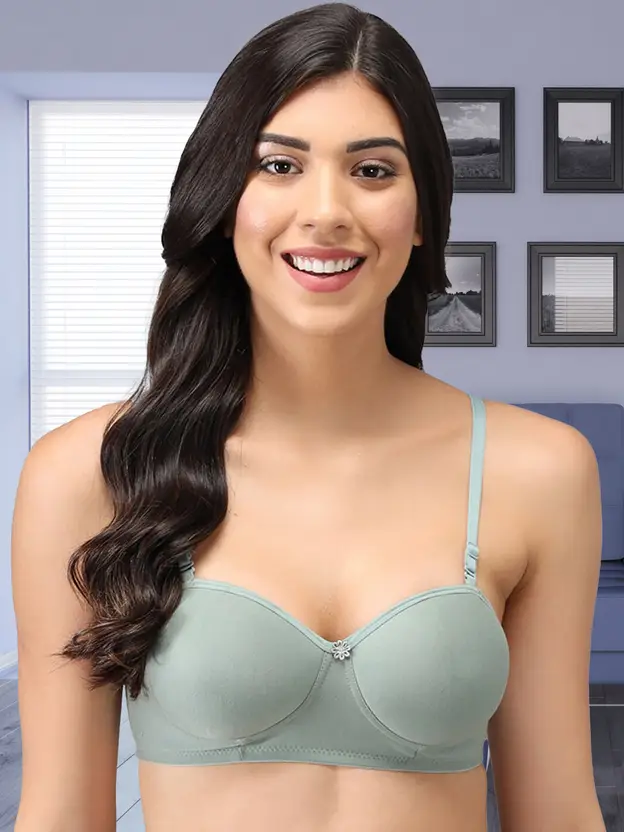
- Design: The name “Demi” comes from the French word for “half.” These cups cover approximately half to three-quarters of the breast. They form a horizontal line at the top of the bust.
- Function and Support: Provides a natural, circular lift and is designed to create a subtle cleavage by scooping up breast tissue from below.
- Best for: Lower-cut necklines, scoop-neck tops, and those with small or semi-full breasts who want a little lift without heavy padding.
3. Balconette Bra (Also known as Balcony Bra)
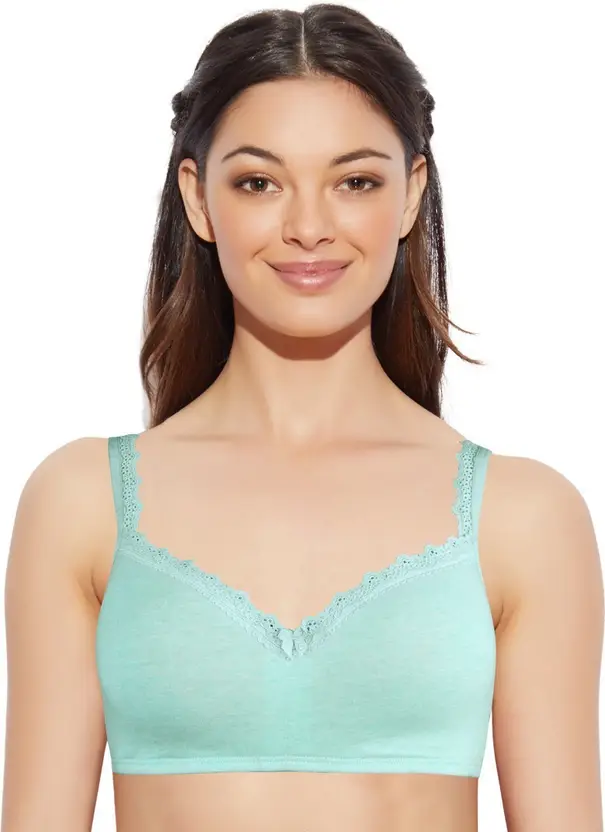
- Design: Similar to demi-cup, but the cups are cut straight, horizontally, similar to “balcony”. The straps are set widely apart, usually joining the sides of the cup.
- Function and Support: Provides upward lift to the breast, enhancing the natural shape and creating a subtle, visible cleavage. The wide set straps are the key to its beauty.
- Best for: Outfits with wide or square necklines, such as wide-necked blouses or off-the-shoulder tops, where wide-set straps won’t show out.
4. Plunge Bra
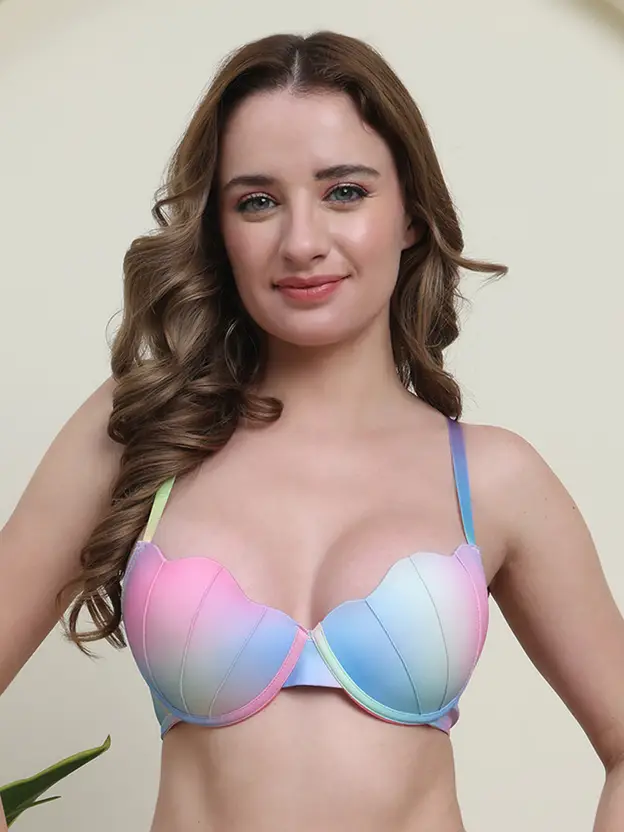
- Design: Characterized by a deep, V-shaped center gore (the piece that connects the cups). The cups are dramatically angled, covering less than a third of the breast in the center.
- Function and Support: Designed to remain invisible under deep-V and plunging necklines. It brings the breasts together toward the center, creating dramatic cleavage without bra lines.
- Best for: Deep-V dresses, wrap tops, and low-cut evening wear. This is a must for special occasions where the dress has a significant neckline.
Classification by Construction and Structure
These classifications relate to the core engineering of the bra, which determines its support, shaping, and comfort level.
5. T-Shirt Bra (The Seamless Secret)
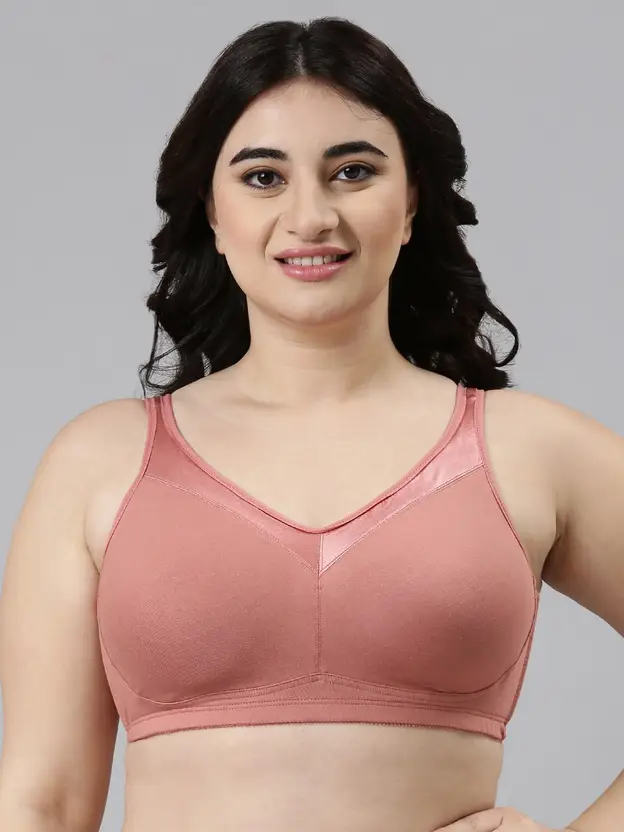
- Design: Features seamless, contoured (molded) cups that are often lightly padded. The fabric is usually smooth and soft.
- Function and Support: Its primary goal is to provide an absolutely smooth and invisible shadow under thin or fitted clothing. The molding ensures a consistent, round shape, and the light padding prevents nipple show-through (modesty).
- Best for: Daily wear, especially under fitted T-shirts, light blouses, and close-fitting dresses. This is the definition of an everyday essential bra.
6. Push-Up Bra
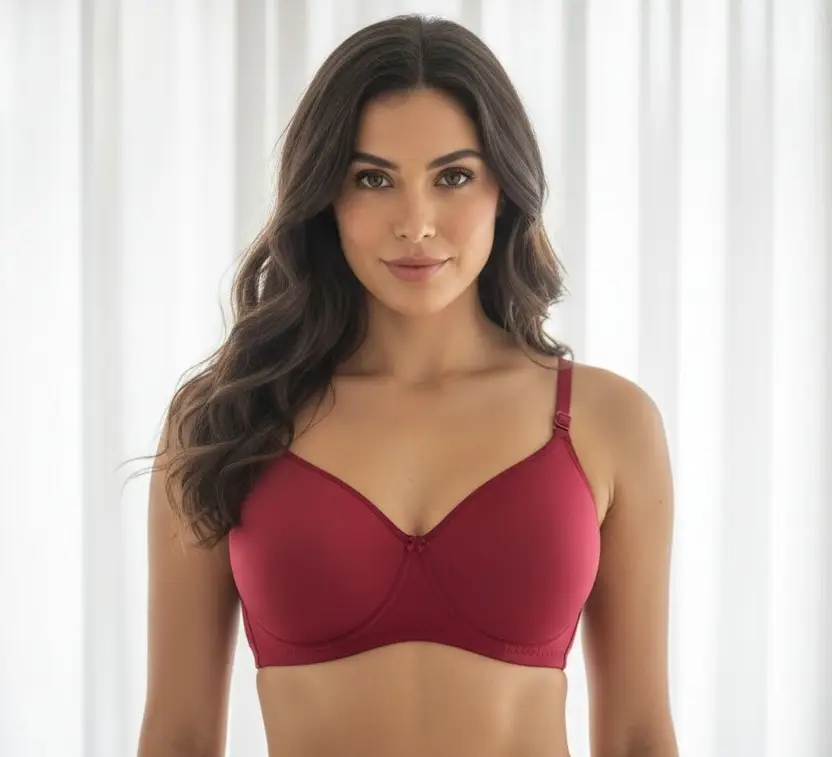
- Design: Features strategically placed, angular padding (sometimes removable) within the cup, usually on the bottom and outer edges.
- Function and Support: Padding lifts the breast upward and inward, maximizing cleavage and enhancing the visual size of the bust. Push-up bras are often classified by “level” (level 1 for mild lift, level 3 for maximum boost).
- Best for: Low-cut tops, date nights, or any time a significant increase in volume and cleavage is desired.
7. Underwired Bra
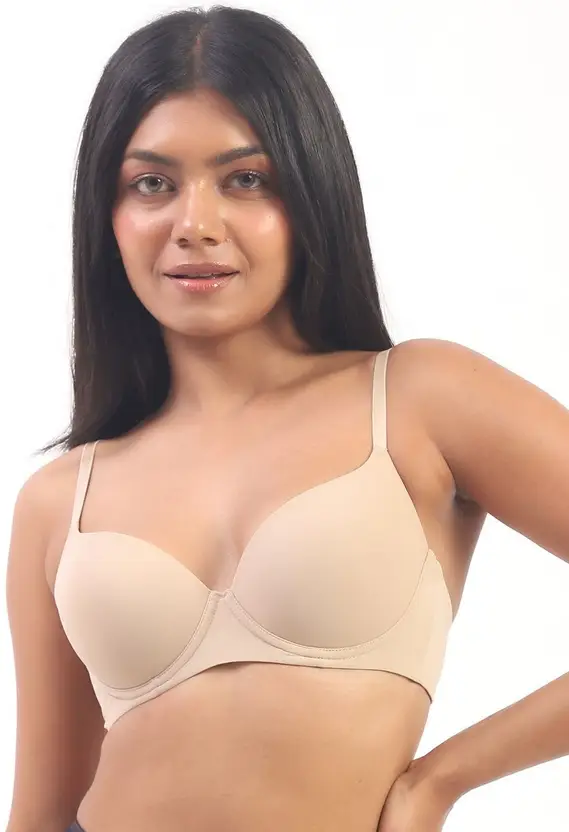
- Design: A thin, semicircular wire, usually made of metal or plastic, is sewn into the fabric at the bottom of each cup.
- Function and Support: The underwire acts as a supportive frame, attaching the bra to the chest wall to provide superior lift, separation, and shape. This is essential to assist with weight lifting, especially for larger cup sizes.
- Best for: Formal wear, structured dresses, and women of all sizes who prefer a defined shape and lift.
8. Wireless Bra (The Comfort King)
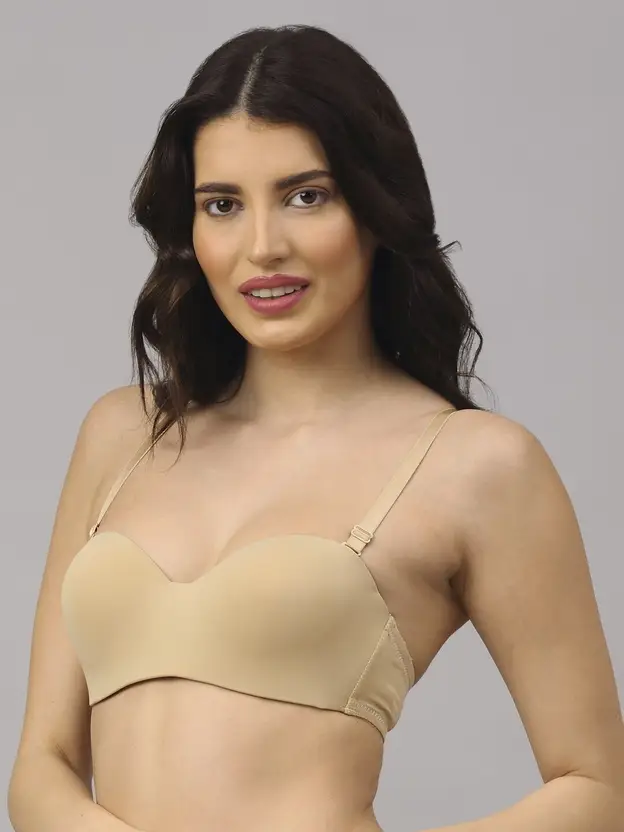
- Design: As the name suggests, there is no underwire. Support comes solely from the band structure, cup seam, and fabric strength.
- Function and Support: Prioritizes comfort, flexibility, and natural shape. It is often chosen for relaxing, sleeping, or by women who find underwire restrictive or uncomfortable.
- Best for: Comfortable, casual wear, long-distance travel, and as an option for women who prefer a softer feel.
9. Padded vs. Non-Padded Bra
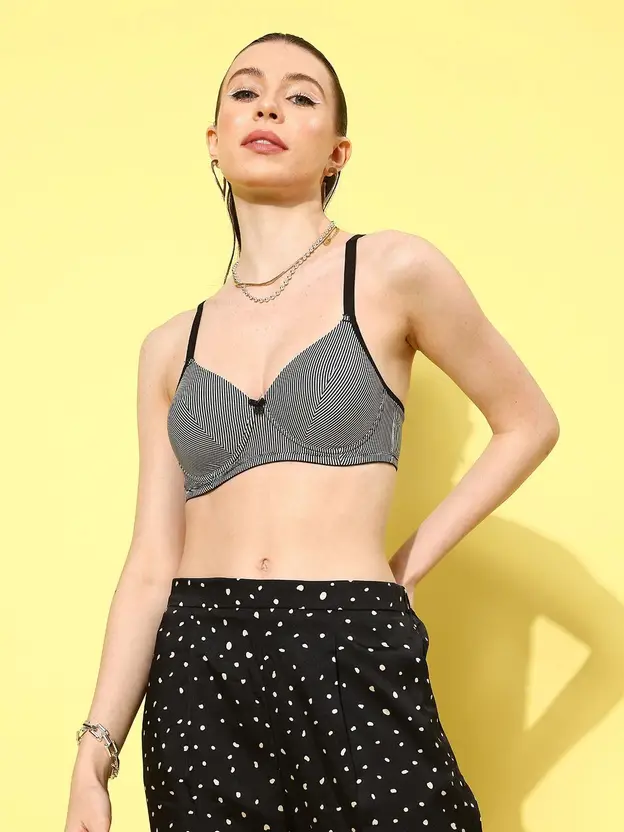
- Padded: The cups have a layer of foam or other material. It adds shape, prevents show-through, and can provide a small amount of growth. They can be thin (for T-shirt bras) or thick (for push-up bras).
- Non-padded: Cups made only of fabric (single or double layer, often seamed). They offer a completely natural shape and are often lighter and more breathable. Best for those who want support without any extra bulk or size.
Classification by Specialized Function
These bras are designed to solve specific wardrobe challenges or cater to particular life stages and activities.
10. Sports Bra (The Essential for Activity)
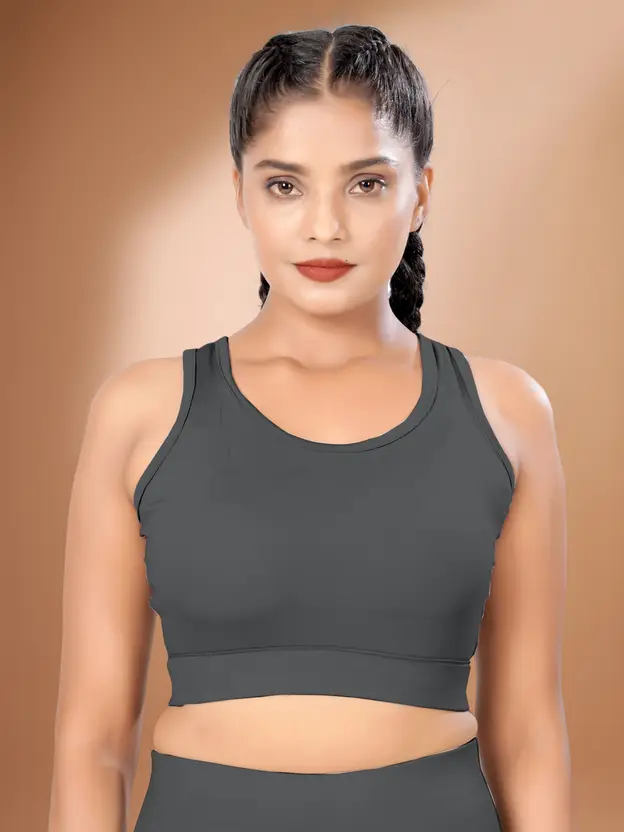
- Design: Made from moisture-wicking, often compression-style fabrics with minimal stretch. They are classified based on impact level (low, medium, high).
- Function and Support: Important for reducing movement and bounce of the breast during physical activity, which helps prevent pain and long-term ligament damage.
- Compression: Presses the breasts closer to the chest (better for smaller busts/low impact).
- Encapsulation: Individually isolates and supports each breast with structured cups (better for larger busts/high impact).
- Best for: Any physical activity from yoga (low-impact) to running (high-impact). A sports bra is not optional; This is essential athletic gear.
11. Minimizer Bra
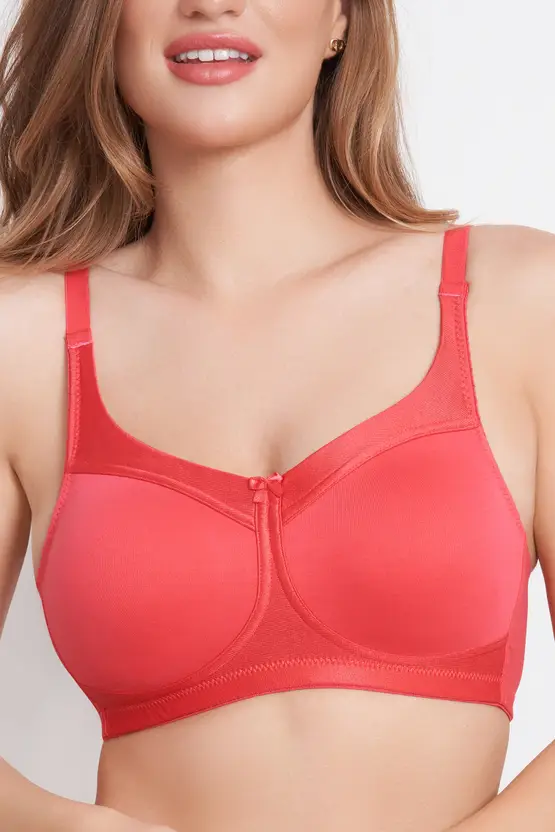
- Design: Structured cups with supportive panels and a wide band.
- Function and Support: It works by redistributing breast tissue to create a slightly flatter profile and reduce overall bust projection, often making the bust look up to an inch smaller. It does not actually reduce breast volume.
- Best for: Women with full busts who struggle with the opening of button-up shirts or want clothes to fit their chest better.
12. Multiway / Convertible Bra
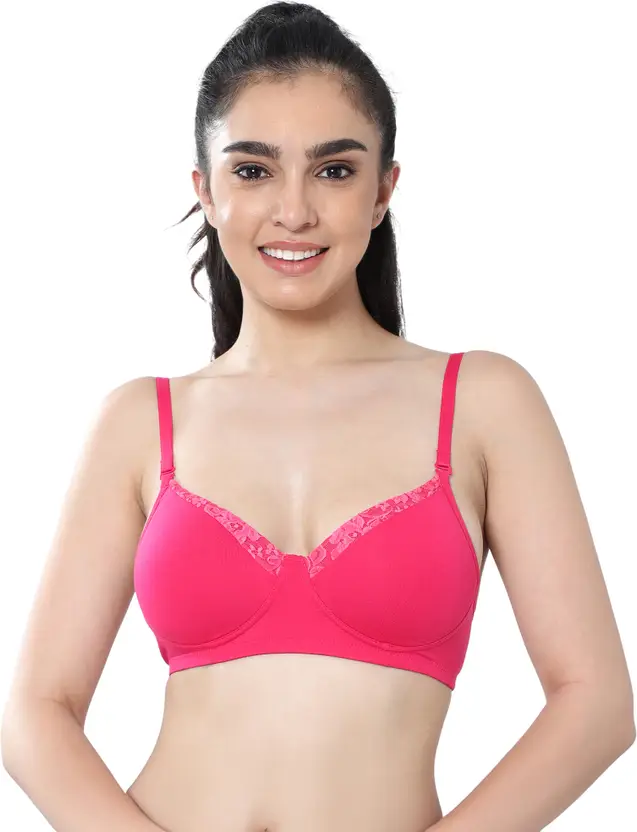
- Design: Fully detachable straps with multiple loops or connection points on the band and cups.
- Function and Support: Offers unparalleled versatility, allowing the wearer to configure the straps in a variety of ways:
- Traditional (straight straps)
- Criss-cross/racerback (straps crossed at the back)
- halter (single strap around the neck)
- one shoulder
- Strapless (straps removed completely)
- Best for: Outfits with tricky necklines or backs, making the most of one bra for multiple occasions.
13. Strapless Bra
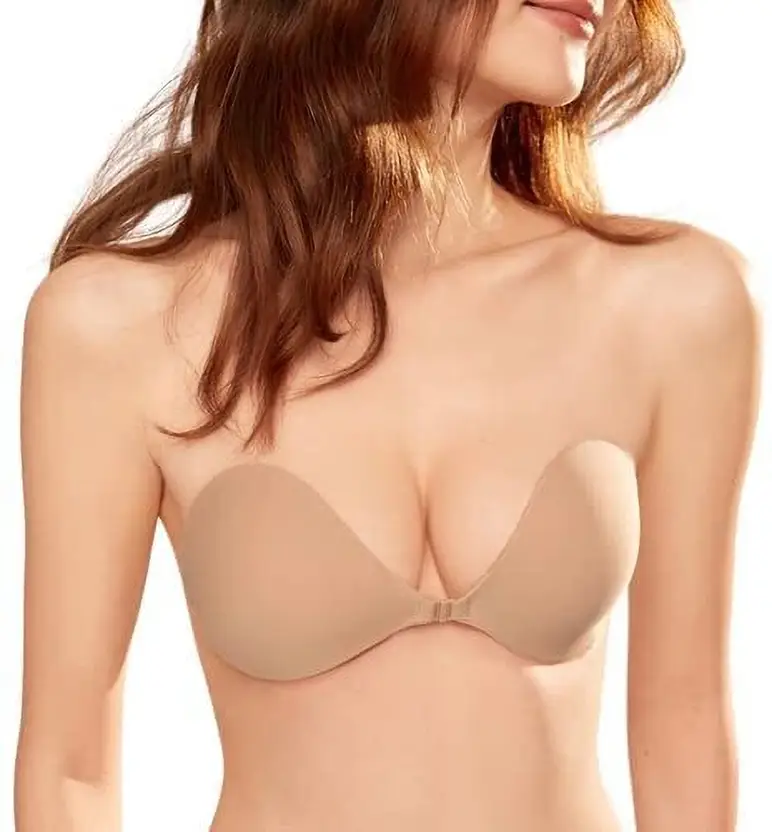
- Design: Specially engineered to provide support without shoulder straps. It relies heavily on a strong, wide underband, which often has silicone or elastic grip lining on the sides, and sometimes features side boning for structure.
- Function and Support: Open at the shoulder provides essential support while remaining completely invisible under clothing.
- Best for: off-the-shoulder tops, tube tops, strapless dresses, and outfits where standard straps are impossible.
14. Bralette
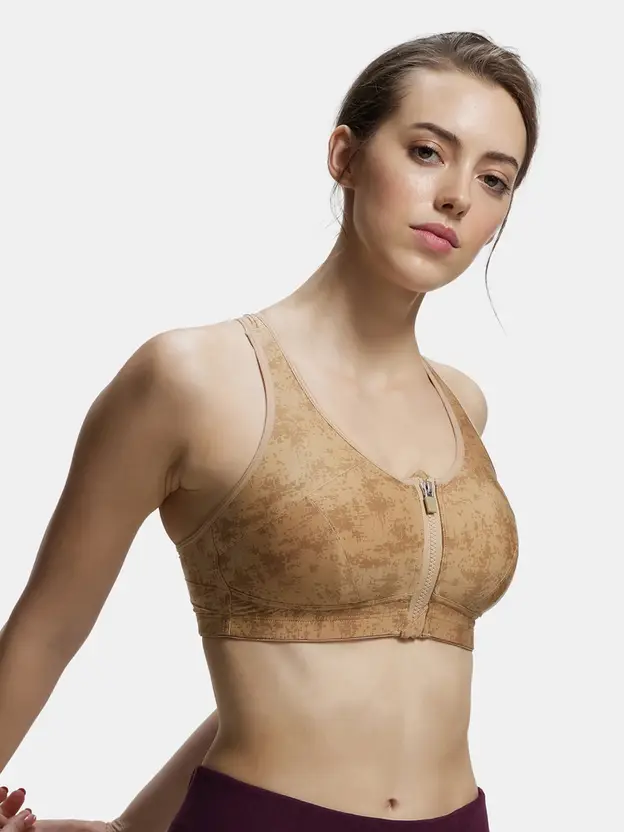
- Design: A mix of bra and crop top. Typically non-wired, non-padded, and made of soft materials such as lace, mesh, or cotton.
- Function and Support: Focuses on comfort, light support, and style. It is not designed for heavy-duty support but for a comfortable fit.
- Best for: Casual wear, lounging, layering under sheer tops, or worn as fashionable outerwear under a blazer or low-cut armhole. Best suited for small to medium-sized busts due to its low support level.
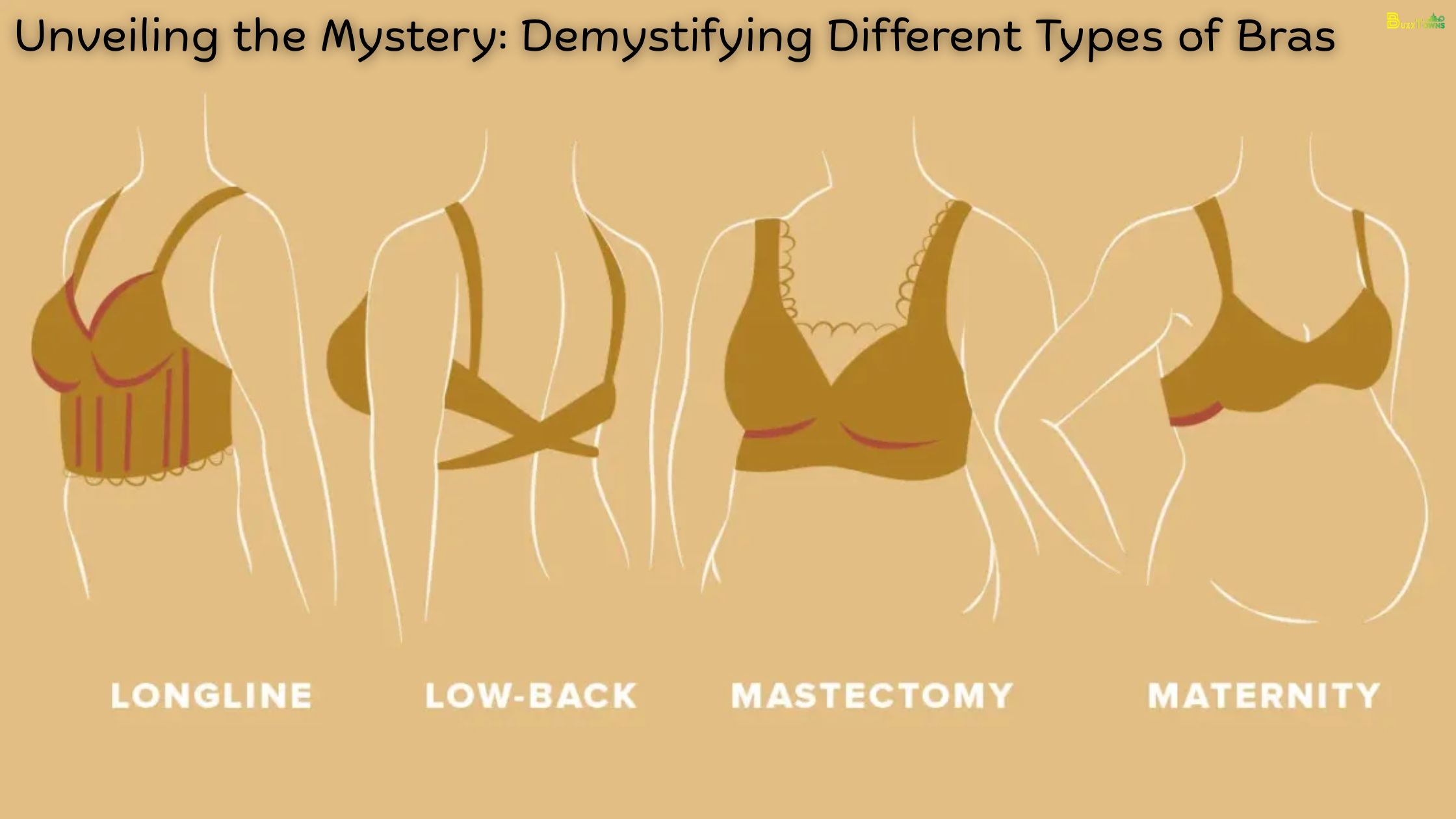
15. Nursing / Maternity Bra
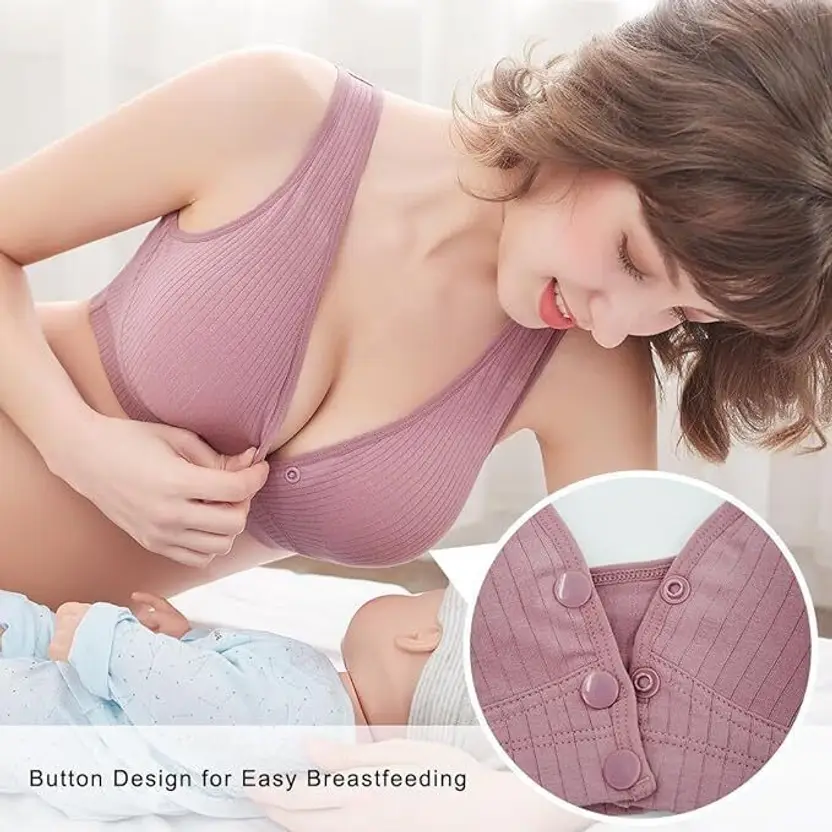
- Design: Designed for the pregnancy and breastfeeding stages. It features a soft, wireless construction and front-fastening clasps or flaps on the cups that can be opened with one hand for easy nursing access.
- Function and Support: Accommodates fluctuations in breast size, provides gentle support, and allows quick, discreet feeding.
- Best for: Pregnant and new moms.
Beyond the Basics: Fashion & Specialty Styles
16. Front-Closure Bra
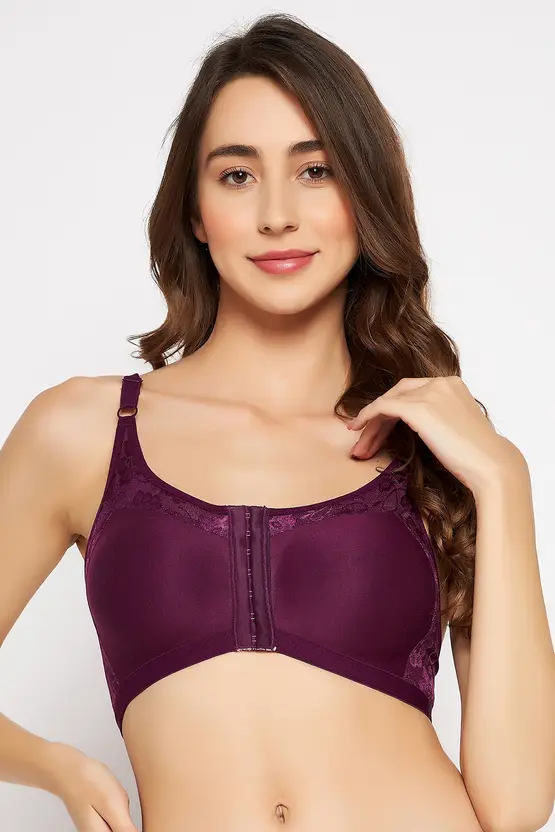
- Design: The clasp is located midway between the cups instead of on the back band.
- Function and Comfort: Provides a smooth back shape and is easy to wear for many people, especially those with mobility issues or shoulder discomfort. This naturally draws the breasts towards the center.
17. Stick-On Bra (Adhesive Bra)
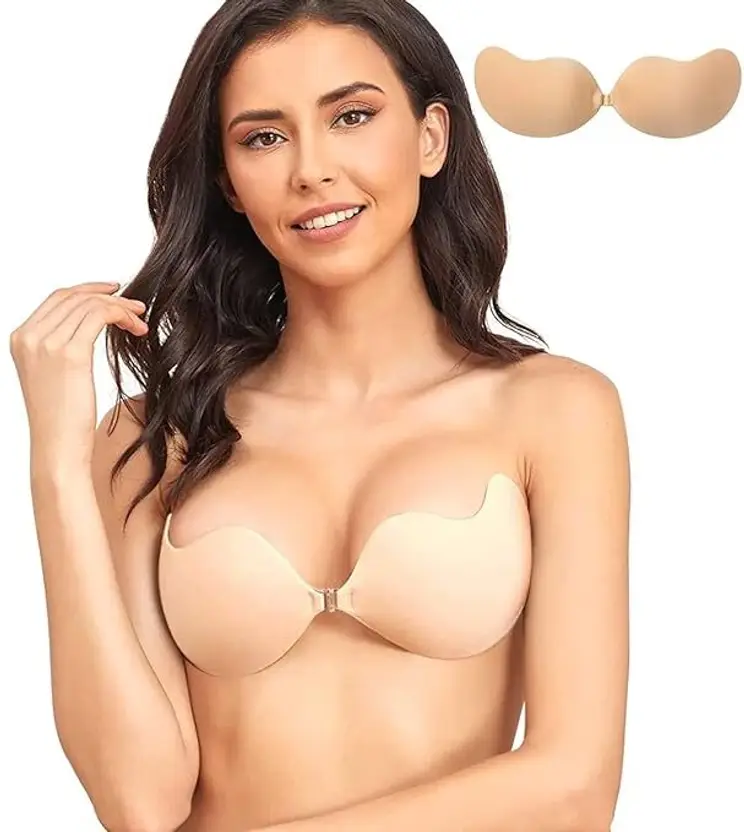
- Design: Features adhesive cups with no band or back strap. They “glue” directly onto the breasts.
- Function and Discreetness: Provides basic shaping and coverage for completely backless outfits, sideless, or has extreme cut-outs where any traditional bra is impossible. They provide minimal assistance.
18. Longline Bra
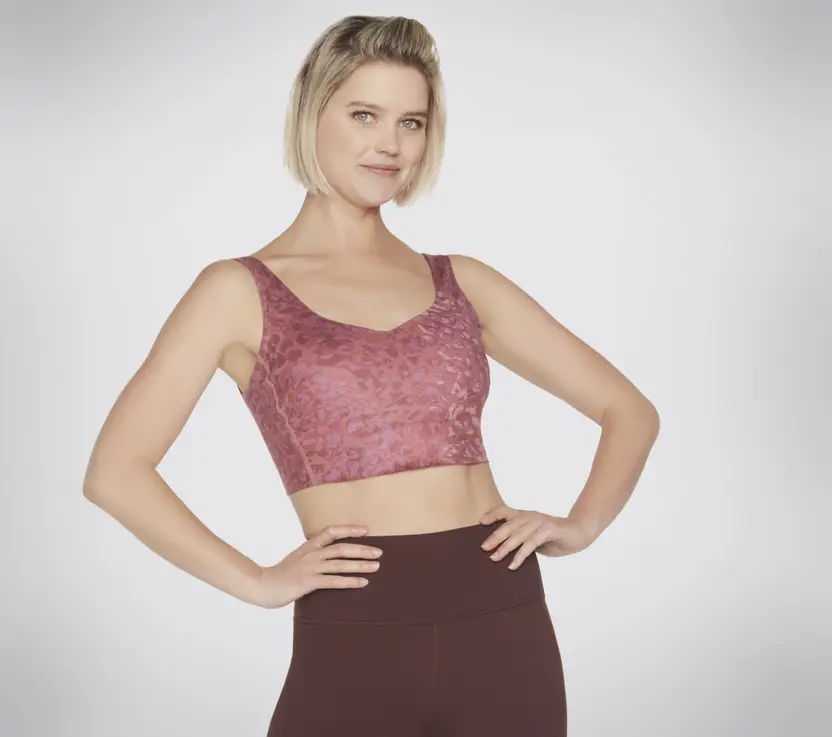
- Design: Band runs down the torso, past the underbust, sometimes reaching the waist.
- Function and Style: Provides a vintage or corsetry aesthetic and provides extra support and a sleek effect around the ribs and upper abdomen. It can be worn as an undergarment or as a stylish crop-top layer.
The Golden Rule: Fit is Everything
No matter what type of bra you choose, the most important factor is its fit. Even the most supportive bra is useless if the size is wrong.
- Band: Should be firm but comfortable. It provides approximately 80% support to the bra. It should be parallel to the floor, not pointed upward. You should only be able to fit one or two fingers under the band.
- Straps: All heavy items should not be lifted. Their purpose is simply to keep the cups in place. If they’re digging in, the band is probably too loose.
- Cup: Should completely contain your breast tissue without any leakage at the top, sides, or bottom (“double-bubble” effect). Conversely, the cups should not be open or wrinkled.
- Center gore: On a wire bra, the center gore between the cups should lie flat against your sternum (chest bone). If it’s floating away, the cup is too small, or the style is wrong for your breast size.
By understanding the key features of these different bra types, you can move from blindly grabbing the closest option to making informed choices that truly meet your comfort, support, and style needs. Your bra wardrobe should be a curated collection, not a random assortment – a collection where each piece serves a purpose and fits like a second skin.