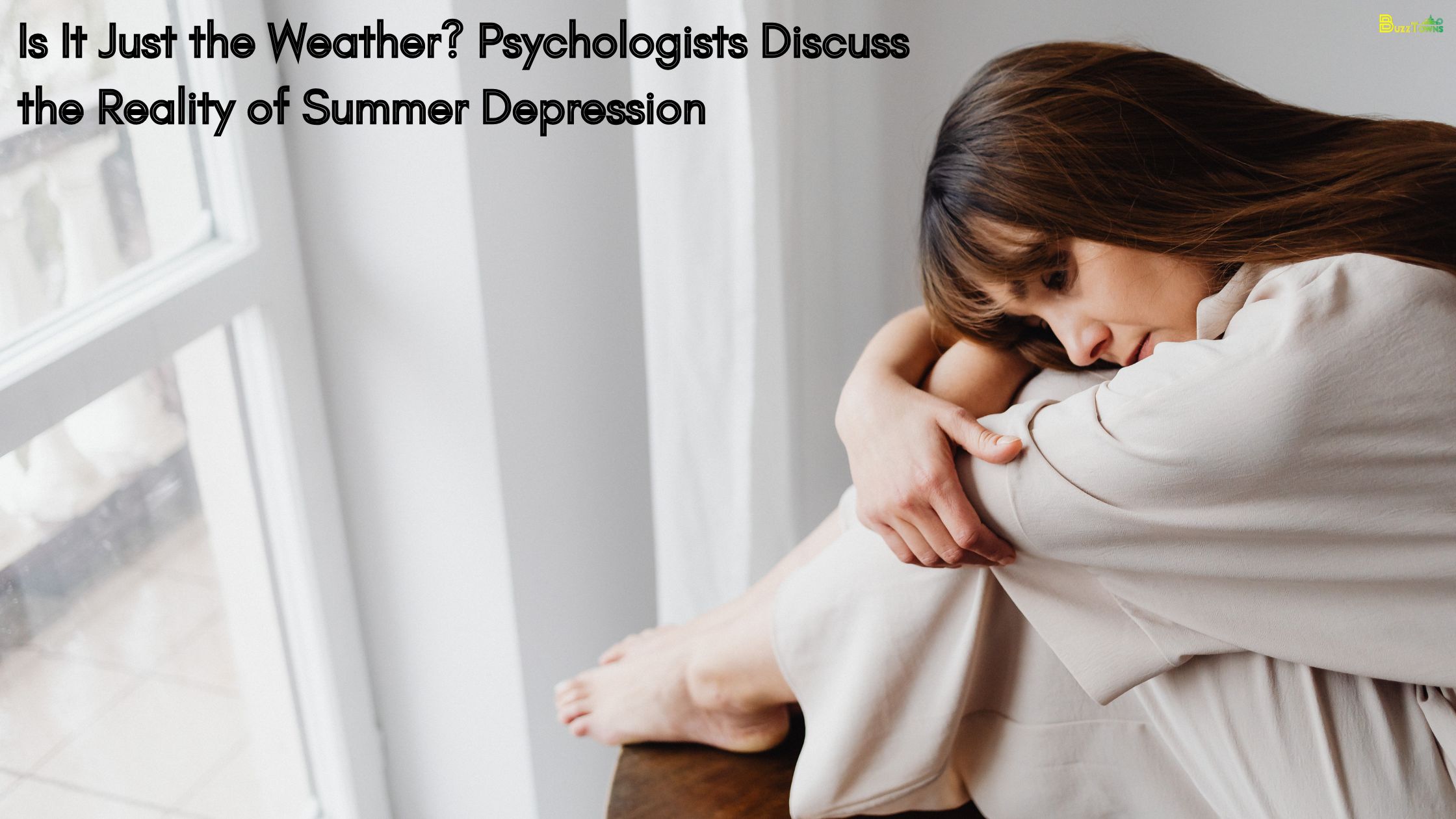
When we think of (Summer Depression) Seasonal Affective Disorder (SAD), we almost instinctively envision gray skies, skeletal trees, and the biting chill of January. We’ve been conditioned to believe that “winter blues” are the only legitimate form of weather-related melancholy. But for a significant portion of the population, the arrival of June brings not joy, but a profound sense of dread.
While approximately 5% of Americans experience winter SAD, about 1% of the population suffers from a much less discussed phenomenon: Summer Seasonal Affective Disorder (Summer SAD).
To the outside world, being depressed when the sun is shining feels “wrong.” This social stigma—the pressure to be happy because the weather is “perfect”—often leaves sufferers feeling isolated and broken. Today, we sit down with the psychological perspective to understand why the heat, the light, and the “fun” of summer can actually be a biological and emotional trigger for depression.
The Biological Blueprint: Why Summer Hurts
Winter SAD is typically linked to a lack of sunlight, which disrupts our circadian rhythms and drops our serotonin levels. Summer SAD, however, is often driven by an excess of environmental stimuli.
1. Melatonin Disruption and the “Long Day”
Melatonin is the hormone that tells our brain it’s time to sleep. It is triggered by darkness. In the summer, the sun stays up until 9:00 PM or later, delaying the onset of melatonin production.
- The Result: Summer SAD patients often suffer from severe insomnia. Unlike winter depression, which causes people to oversleep (hypersomnia), summer depression is characterized by agitated sleep deprivation.
2. Sensory Overload: Heat and Humidity
Psychologists note that while winter SAD feels like “hibernation,” summer SAD feels like “irritability.” High temperatures and oppressive humidity can trigger a physical stress response in the body. For some, the sensation of heat is physically painful or claustrophobic, leading to a state of constant “fight or night” arousal.
3. The Pollen Connection
Emerging research suggests a link between high pollen counts and depressive symptoms. Allergies cause systemic inflammation in the body. Psychologists and medical researchers are finding that this inflammation can cross the blood-brain barrier, affecting mood-regulating centers and triggering depressive episodes in cytokine-sensitive individuals.
The “Summer FOMO” and Psychological Triggers
Beyond the biology, there is a heavy psychological burden tied to the solstice.
The Pressure to Have “The Best Summer Ever”
Social media becomes a minefield in July. We are bombarded with images of tropical vacations, poolside parties, and “glowing” skin. If you are struggling with your mental health, the contrast between your internal darkness and the external brightness is jarring. This is often called “Reverse Seasonal Affective Disorder” because the sufferer feels out of sync with the rest of the world.
Body Image and Vulnerability
Summer is the season of “showing skin.” For individuals struggling with body dysmorphia, eating disorders, or low self-esteem, the transition to summer wardrobe can be a massive source of anxiety. The pressure to have a “bikini body” can lead to social withdrawal, as staying indoors feels safer than facing the judgmental gaze of the public.
Routine Disruption
For parents, summer means the end of the school routine. For students, it means a loss of structure. Many people thrive on the predictable “9-to-5” rhythm of the academic year. When that disappears, the void is often filled with a sense of purposelessness, which is a primary fuel for depressive thoughts.
Identifying the Symptoms: Winter vs. Summer
It is important to distinguish between the two, as they require different management strategies.
| Feature | Winter SAD | Summer SAD |
| Sleep | Oversleeping (Lethargy) | Insomnia (Agitation) |
| Appetite | Cravings for Carbs/Sugar | Loss of Appetite |
| Weight | Weight Gain | Weight Loss |
| Mood | “Heavy” and Sad | Irritable and Anxious |
| Energy | Low Energy / Sluggish | Restless / “Wired but Tired” |
5 Coping Strategies Recommended by Psychologists
If you find yourself sinking as the thermometer rises, you aren’t “weird”—you are experiencing a legitimate biological shift. Here is how psychologists suggest reclaiming your summer:
1. Seek the “Dark and Cold”
Just as winter SAD patients use light boxes, summer SAD patients can benefit from “dark therapy.” Spend time in air-conditioned, dimmed rooms. Use blackout curtains to simulate an earlier sunset, allowing your melatonin to kick in naturally. Cold showers can also help reset a hyper-aroused nervous system.
2. Guard Your Sleep Cycle
Maintain a strict sleep-wake schedule regardless of how light it is outside. Use a sleep mask and white noise to block out the sounds of neighborhood summer activity (lawnmowers, children playing) that might trigger feelings of exclusion or irritation.
3. Edit Your Social Media
If seeing people at the beach makes you feel like a failure, hit the “Mute” button. Remind yourself that social media is a curated highlight reel, not a reflection of reality.
4. Gentle Movement over Intense Exercise
High-intensity workouts in the heat can increase cortisol and body temperature, potentially worsening agitation. Opt for “cooling” activities like swimming or early morning yoga before the sun reaches its peak.
5. Professional Support
Don’t wait for September to feel better. Speak to a therapist or psychiatrist about your seasonal patterns. Some patients find that adjusting their medication dosage specifically for the summer months—under medical supervision—can provide the necessary buffer against the seasonal shift.
Final Thoughts: Validating Your Experience
The most important step in managing Summer SAD is validation. Stop telling yourself that you “should” be enjoying the sunshine. Your brain and body are reacting to environmental triggers that are just as real as a pollen allergy or a heat rash.
By acknowledging that your depression is a seasonal reality, you can stop fighting the weather and start taking care of yourself. Summer will eventually end, but your mental well-being is a year-round priority.