Although it is difficult to label any one regional cuisine as completely healthy in a country as vast, diverse as India, South Indian cuisine is known for its unique adherence to principles closely aligned with modern nutrition science. The traditional diet of the four southern states—Tamil Nadu, Kerala, Karnataka, and Andhra Pradesh/Telangana—is built on a foundation of nutrient-rich ingredients, gut-friendly processes, and minimal reliance on heavy fats and refined sugars.
The notion of improved health status of South Indian food rests on four main pillars: fermentation, ingredient profile, cooking methods, and the role of spices and seasonings.
I. The Gut-Health Powerhouse: The Magic of Fermentation
One of the most compelling arguments for the health benefits of South Indian food is the prevalence of fermented foods, especially in breakfast and snacks, which are prominent throughout the region.
1. Probiotic Richness: Idli, Dosa, and Uttapam
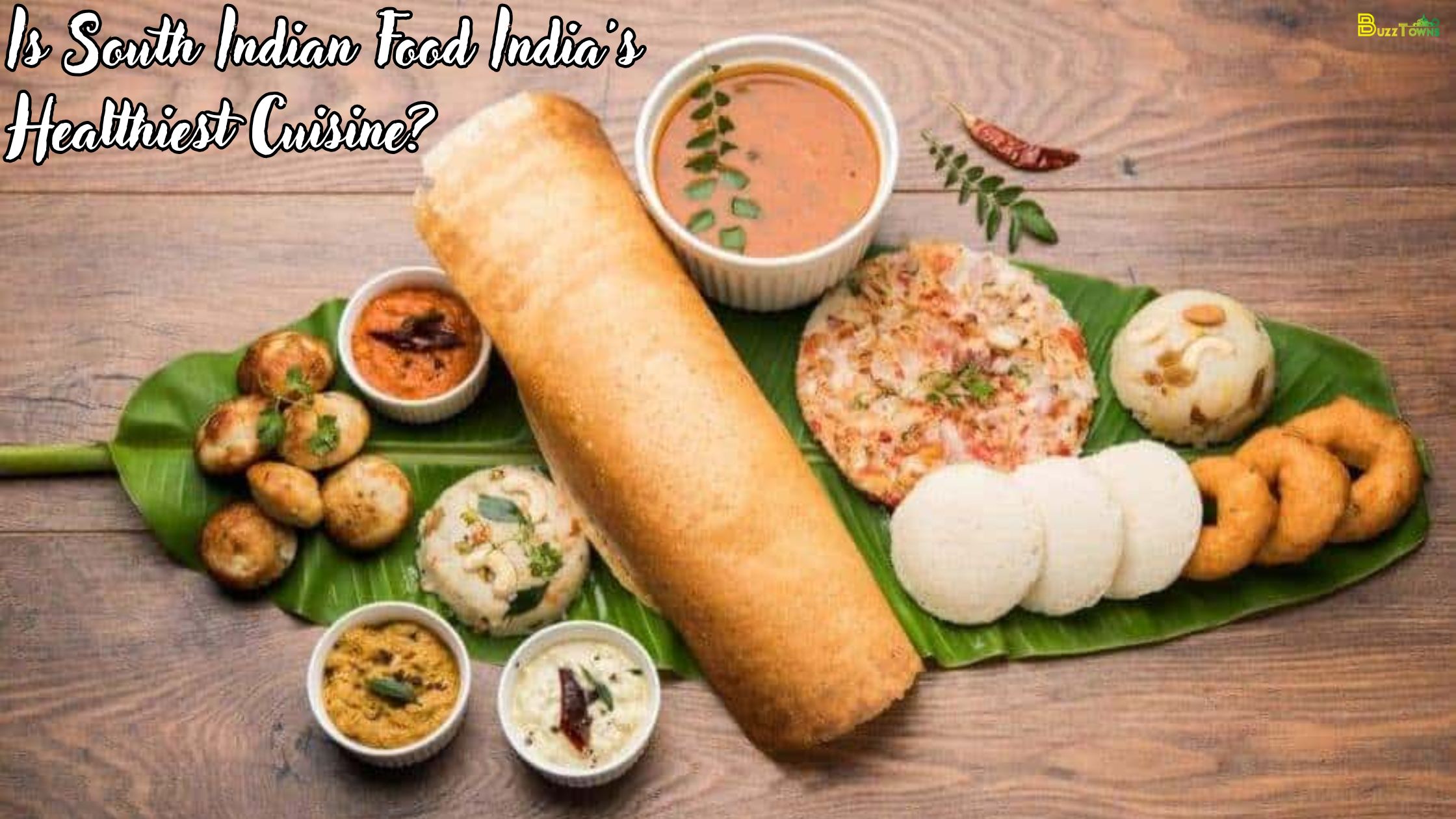
The iconic trio of South Indian breakfast—idli (steamed rice and lentil cakes), dosa (thin pancakes), and uttapam (thick savory pancakes)—is all made from a batter of rice and urad dal that is traditionally allowed to ferment overnight.
- Science of Fermentation: The fermentation process involves beneficial microorganisms (lactic acid bacteria and yeast) that break down starches and sugars. This process significantly increases the bioavailability of B-vitamins, especially B12, and breaks down phytic acid, an anti-nutrient found in grains and legumes that can inhibit the absorption of minerals.
- Probiotic Boost: Fermented foods are a natural source of probiotics, which are live bacteria and yeast that are beneficial for gut health. A healthy gut microbiome is now linked to everything from better digestion and enhanced immunity to better mental health and weight management.
- Easy to digest: The partial breakdown of carbohydrates and proteins during fermentation makes these recipes lighter on the stomach and easier to digest than unfermented grain products such as bread or refined flour (maida).
II. The Superior Ingredient Profile
The essential ingredients used in South Indian cooking are naturally high fiber, high protein, and suitable for a moderate-fat diet.
2. The Power of the Rice and Lentil Combination
Many main dishes are a synergistic mixture of grains (rice or millet) and pulses (lentils/chickpeas).
- Complete Proteins: Individually, rice and lentils are incomplete proteins. However, when mixed in the right proportions, as is common in idli, dosa, and sambar (a lentil and vegetable stew), they form a complete protein that contains all nine essential amino acids needed for muscle repair, metabolism, and overall growth. This is an important benefit for vegetarian and vegan diets.
- High in fiber and minerals: Lentils and legumes are excellent sources of dietary fiber, which helps control blood sugar, lower cholesterol, and promote satiety. They are also loaded with essential minerals like iron, folate, and magnesium.
3. Abundance of Vegetables and Millets
In traditional South Indian cuisine, vegetables are given importance not just as a side dish but as a main component of the main meal.
- Fiber and micronutrients: Dishes like sambar, avial (a thick vegetable stew cooked with coconut and curd), and various poriyals or kutas (dry or semi-dry vegetable stir-fries with lentils and coconut) use a wide range of seasonal vegetables. It ensures high intake of vitamins, minerals, and antioxidants.
- Millet revival: While white rice is a major staple, the health-conscious revival is seeing increased use of millets (ragi or finger millet, jowar or sorghum, bajra or pearl millet) in dosa, upma, and porridge (ragi mudde). Millet is naturally gluten-free, has a low glycemic index (GI), and is significantly higher in fiber, calcium, and iron than polished white rice.
4. Healthy Fats: Coconut and Sesame Oil
While coconut has often been maligned due to its high saturated fat content, the traditional use of coconut and coconut oil in South India is now being viewed in a more positive light.
- Medium-chain triglycerides (MCTs): Coconut oil is rich in MCTs, which are metabolized differently than long-chain fatty acids. They are a readily available source of energy and are less likely to be stored as body fat.
- Fresh Coconut: Using fresh, grated coconut (in chutneys, curries, and vegetable dishes) provides healthy fats, fiber, and essential nutrients, a departure from the heavily processed fats found in many Western diets.
III. Health-Conscious Cooking Methods
The cooking technique preferred in South Indian kitchens naturally keeps dishes low in oil and calories.
5. Steaming, Boiling, and Tempering
In contrast to the heavy gravies and deep-fried preparations often associated with other regional cuisines, light methods are preferred in South Indian cooking.
- Steaming: Idlis and puttu (boiled rice and coconut cylinders) are prepared by steaming, requiring virtually no oil, thereby greatly reducing their calorie and fat content while preserving the nutrients.
- Boiling/Stewing: Dishes like rasam (a spicy, light lentil-tamarind soup) and sambar rely on boiling and stewing, which maximize nutrients and produce light, digestion-aiding liquids.
- Tadka (tadka): The main fat source often comes from the final tempering of mustard seeds, curry leaves, and asafoetida (hing) in a small amount of oil rather than cooking the entire dish in heavy layers of fat.
IV. The Role of Spices, Herbs, and Condiments
South Indian cuisine is a pharmaceutical cabinet of spices, herbs and natural ingredients, many of which have medicinal and anti-inflammatory properties.
6. The Aromatic Medicine Cabinet
- Turmeric: Ubiquitous in all curries, its active compound, curcumin, is a powerful anti-inflammatory and antioxidant.
- Curry leaves: Rich in antioxidants and known for their anti-diabetic and cholesterol-lowering properties.
- Tamarind: Used as a souring agent in rasam and sambar, it aids digestion and is a good source of Vitamin C.
- Mustard seeds, fenugreek, and asafoetida: These spices are integral to the tempering process and are known to aid digestion, reduce flatulence (a common side effect of dal), and provide several micronutrients.
7. The Digestive Aid: Curd Rice
A traditional way to end a meal is with dahi chawal (curd rice). This simple dish is a natural source of probiotics, helps cool the body in tropical climates, and acts as a digestive finisher, soothing the stomach after a spicy meal.
A Comparative Perspective: North vs. South
When the debate over “healthy cuisine” arises, comparisons are often made to North Indian cuisine, which has distinctive characteristics:
| Feature | South Indian Cuisine | North Indian Cuisine | Health Implication |
| Staple Grain | Rice and Millets | Wheat (Roti, Naan) | Millets (low GI) and Rice-Lentil (complete protein) have an edge. |
| Cooking Fat | Coconut Oil, Sesame Oil | Ghee, Mustard Oil | Traditional use of ghee is good, but South Indian use of MCT-rich coconut oil and light tempering is often lower-fat overall. |
| Cooking Method | Steaming, Stewing, Light Tempering | Shallow-Frying, Deep-Frying, Slow-Cooking in cream | Steaming (Idli) is inherently lower in fat/calories. |
| Protein Source | Primarily Lentils (Sambar, Dals), Seafood | Dairy (Paneer), Meat (Chicken, Mutton), Lentils (Dal Makhani) | South Indian emphasis on plant-based protein/fiber from lentils is excellent for heart health. |
| Gut Health | High use of Fermentation (Idli, Dosa) and Curd (Yogurt) | Lower reliance on fermented staples (some pickles, Kanji) | South Indian cuisine is a superior source of daily probiotics. |
Conclusion: Health is in the Preparation
South Indian cuisine, with its focus on fermentation, powerful combinations of rice and pulses, high density of fiber-rich vegetables, and medicinal use of spices, presents a powerful case for being one of India’s most health-conscious regional diets.
However, one important caveat exists: modern versions of South Indian food may negate these benefits. Dishes like deep-fried medu vada, heavy use of refined white rice, and high-fat preparation of dosa or uttapam in restaurants can significantly increase the calorie and fat count. The verdict is that traditional South Indian food, exemplified by vegetable-laden sambar and a plate of steamed idlis with homemade coconut chutney, is a nutritionally balanced, complete protein, probiotic-rich, high-fiber and low-fat meal, making it an excellent model for healthy eating and a strong contender for India’s healthiest cuisine.