
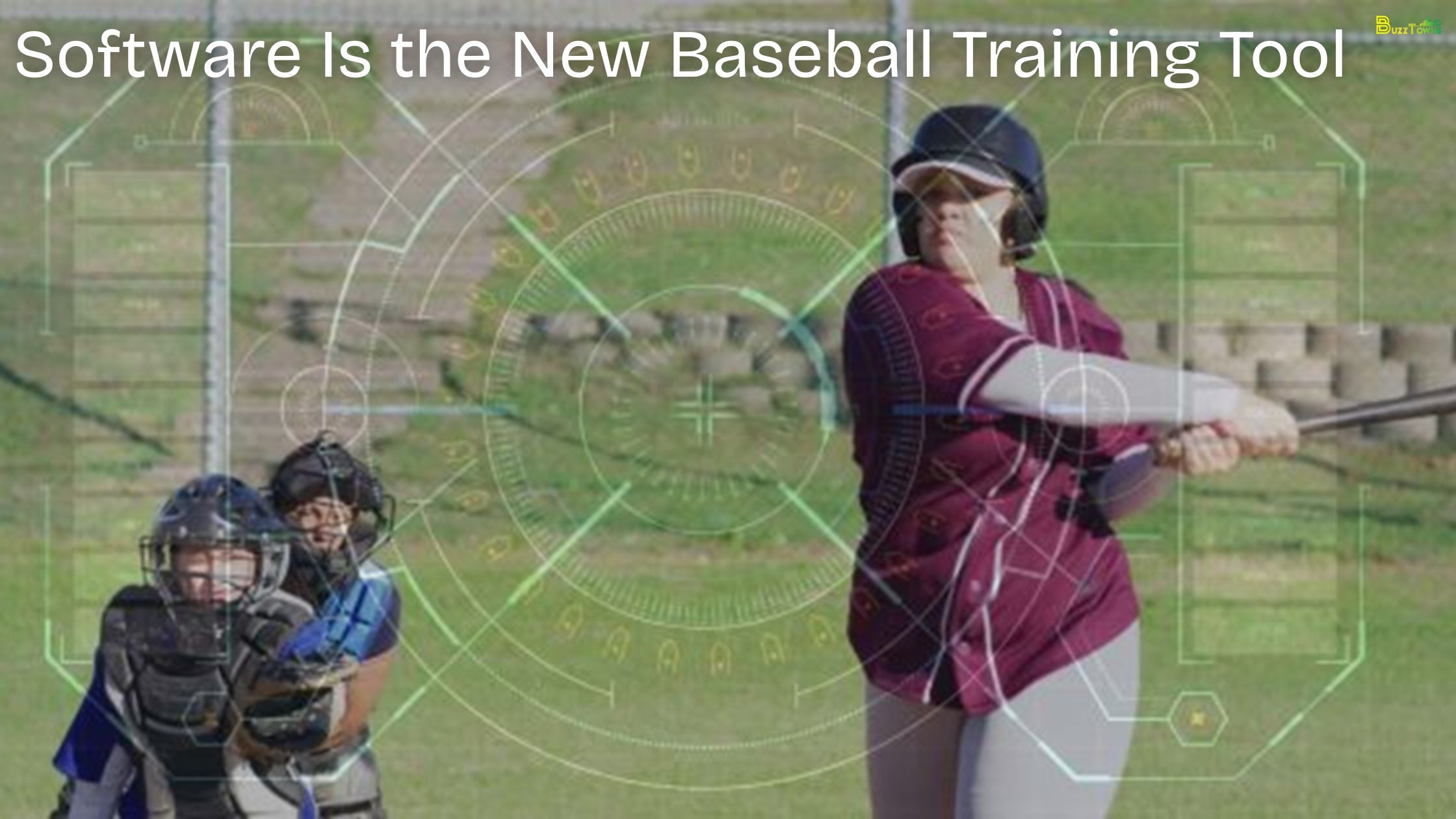
A competitive athlete knows they always have to stay one step ahead of the game. Comprehensive training should include several methods, from hands-on learning to off-the-field study. Data-driven software is a modern baseball training tool that’s transforming player development and enhancing overall performance. Here’s how this type of advanced technology can help you and your players knock it out of the ballpark.
Improved Performance
Leveraging data-driven insights for improved player performance is a longstanding practice in sports. What’s new, though, is that players and coaches are now able to get real-time insights through the power of artificial intelligence (AI) and similar software.
For decades, the sport of baseball has relied on analytics, using something known as sabermetrics. The phrase was coined by Bill James in 1980.
In a nutshell, sabermetrics involves crunching the numbers and using mathematical and statistical analysis to evaluate player performance and make data-driven decisions. While some initially scoffed at the idea, James and his approach garnered a great deal of attention when he was hired by the Boston Red Sox in 2003, and they subsequently went on to win four World Series (2004, 2007, 2013, and 2018) during his 16-year tenure.
Now, imagine being able to do all that in real time at the nano level. AI uses computer video to pick up on subtleties that are often invisible to the human eye. Carlos Pena, who retired from the sport in 2014, turned to AI to solve a lingering question: Why were elevated fastballs such a challenge for him?
Pena finally discovered his answer: He was starting his swing a half-second too late. AI unlocked the insights that had escaped Pena throughout his professional baseball career.
Today, players have the advantage of not having to wait until they hang up their cleats to get their answers. Tapping into the power of technology can help athletes of all ages and skill levels identify their blind spots and correct course much more quickly.
Injury Prevention
For an athlete to be at the top of their game, they have to be healthy and injury-free. As Forbes notes, in addition to transforming player development, AI is also helping athletes attain optimal health. For example, certain devices combine motion-capture capabilities with AI insights to identify potential risk for injuries before they occur.
All of this data can also be collected with a motion-capture camera. In fact, the Los Angeles Dodgers were one of the first professional baseball teams to use this motion-tracking technology on the team’s minor league players.
By measuring players several times a week, coaches are able to pick up on performance declines, even when there may not necessarily be an outward indication of an issue. This type of knowledge can help athletes of all ages avoid injuries and maintain peak performance levels.
According to Stanford Medicine, about 30 million children and teens take part in some type of organized sport, and each year, they suffer millions of injuries. In fact, sports injuries account for one-third of injuries that occur during childhood. Now, imagine if some of those injuries could be prevented altogether.
A recent literature review evaluated the effectiveness of AI and machine learning (a subfield of AI) on injury prevention. The review found that AI and machine learning may be helpful in preventing injuries, as well as in detecting, diagnosing, and treating health conditions. It also found that these tools optimize athletic performance.
Putting these tools into practice may cut down on the number of athletes sidelined due to injury. And when injuries do occur, these insights may help players recover much more quickly.
Competitive Edge
Successful players are often motivated by a competitive drive that fuels their desire to win. To maximize your competitive edge, it’s important to use all the tools at your disposal. For example, data-driven software helps players stay one step ahead of the rest.
The Houston Astros are the perfect example of this. The team struggled for years before winning their first World Series in 2017. Astros General Manager Jeff Luhnow credits analytics for playing a key role in the team’s improved performance. Luhnow cites pitch-tracking, for instance, as a baseball training tool that helps players rapidly improve skills.
Think this type of technology is only for pro teams? Think again. Data-driven insights can be a game-changer for individual players as well.
For example, Trevor Bauer was far from a natural-born talent. Instead, the baseball pitcher focused on self-improvement to gain a competitive edge. Studying and learning all he could, Bauer rose through the ranks and wound up being drafted third overall when the Arizona Diamondbacks signed him to a multi-million dollar deal in 2011.
Bauer’s success demonstrates that harnessing data-driven insights can pay off, both literally and figuratively. The sooner you take advantage of this advanced technology, the sooner you’ll be able to reap the rewards and gain the competitive edge you need to get ahead of the field.
Start Training
The great thing is that you don’t have to be a heavy hitter to afford data-driven software. Apps like Ember Sports are making innovative baseball training tools accessible to pro and amateur athletes alike, at a competitive price. For the cost of a couple of lattes a month, you can tap into advanced analytics that take the guesswork out of the training process and help players perform at the top of their game. Knowledge is power, and data-driven software for baseball has never been more accessible than it is right now. So why strike out when you can hit a home run by trying it out for yourself? With the right baseball training tool at your fingertips, you’ll be ready to knock it out of the ballpark each time you step up to the plate.